Home water pipe maintenance is one of the easiest ways to protect your plumbing system and avoid expensive leaks, low water pressure, water damage, and unexpected repairs. You do not need to be a professional plumber to take care of your home’s pipes. With a few simple checks and regular maintenance, you can catch small problems before they become major ones.
Your water pipes work every day, often without getting much attention. Over time, however, mineral buildup, corrosion, high water pressure, temperature changes, and loose connections can cause problems. That is why regular maintenance is worth your time.
Why Home Water Pipe Maintenance Is Important
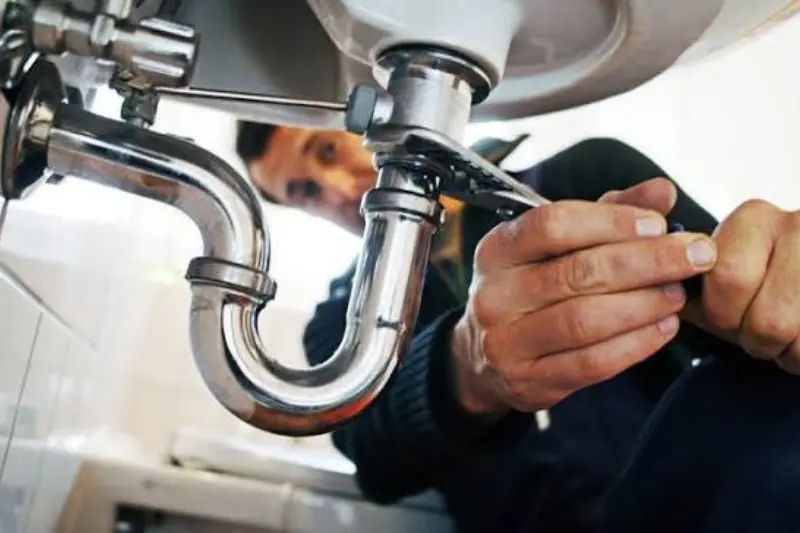
Many plumbing problems start small. A tiny leak under a sink or a little drop in water pressure may not seem serious at first, but ignoring it can lead to bigger damage.
Regular home water pipe maintenance can help you:
- Find leaks early
- Prevent water damage
- Maintain good water pressure
- Reduce the risk of burst pipes
- Extend the life of your plumbing system
- Prevent corrosion and mineral buildup
- Avoid unnecessary plumbing expenses
- Keep your home’s water supply working properly
The good news is that many maintenance tasks are simple enough to handle yourself.
Check Your Pipes for Leaks
One of the first things you should do is regularly inspect exposed water pipes.
Look under:
- Kitchen sinks
- Bathroom sinks
- Toilets
- Water heaters
- Washing machines
- Cabinets
- Basements or utility areas
Look for water drops, damp spots, stains, rust, or greenish deposits around pipe connections.
Even a small leak should not be ignored. A slow leak can gradually damage cabinets, floors, walls, and other parts of your home.
Check for Hidden Leaks
Some leaks are not visible. If your water bill suddenly increases without a clear reason, you may have a hidden leak.
You can also check your water meter. Turn off faucets and water-using appliances, then check whether the meter continues moving. If it does, there may be water flowing somewhere in the plumbing system.
Watch Your Water Pressure
Water pressure that is too high can put unnecessary stress on pipes, fittings, faucets, and appliances.
If you notice unusually strong water flow, banging pipes, dripping faucets, or frequent plumbing problems, check your home’s water pressure.
A simple pressure gauge can help you monitor it. If the pressure is consistently too high or unusually low, it is a good idea to have the plumbing system inspected.
Clean Your Faucets and Fixtures
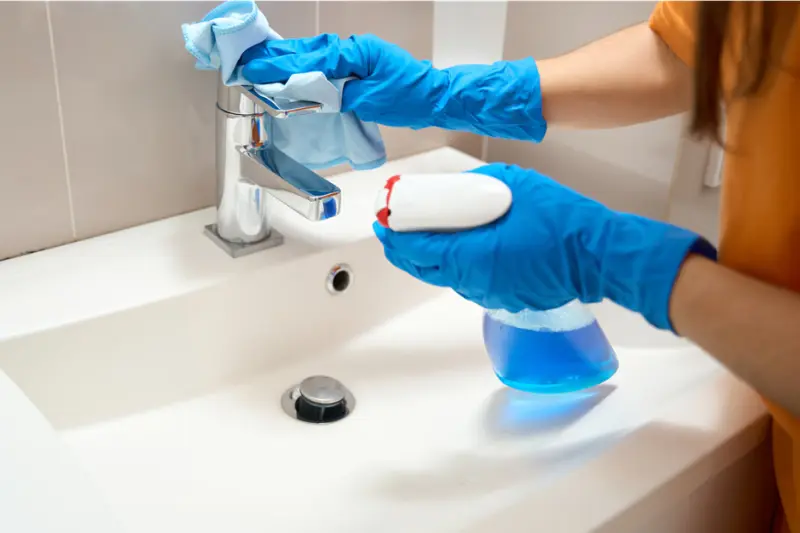
Mineral deposits can build up around faucet aerators and other fixtures, especially in areas with hard water.
Remove the faucet aerator when possible and clean away mineral buildup. You can soak removable parts in an appropriate descaling solution according to the manufacturer’s instructions.
Keeping fixtures clean can improve water flow and help prevent small plumbing problems.
Prevent Pipe Corrosion
Older metal pipes can develop corrosion over time. Rust or discoloration around pipe joints may indicate that a pipe needs attention.
Check exposed pipes periodically for:
- Rust
- Discoloration
- Flaking
- Bulging
- Dampness
- Cracks
- Weak or damaged connections
If you find significant corrosion, do not simply cover it up. A plumber can determine whether the pipe needs repair or replacement.
Insulate Pipes in Cold Areas
If some of your pipes are located in an unheated garage, basement, attic, or another cold area, insulation can help protect them from freezing temperatures.
Frozen water expands inside pipes, which can cause pipes to crack or burst.
Pipe insulation is relatively simple to install around accessible pipes. Pay particular attention to pipes located near exterior walls or other areas exposed to cold air.
You may also like to read this:
How To Fix Low Water Pressure: Easy Home Solutions
How To Flush A Water Heater Safely and Easily
How To Prevent Water Heater Leaks: Easy Maintenance Tips
How To Check Water Pressure at Home: Easy Guide
Water Heater Maintenance Tips For Better Performance
Avoid Putting Pressure on Pipes
Do not hang heavy objects from exposed water pipes or use them as supports.
Pipes and their connections are designed to carry water, not heavy loads. Excessive movement or weight can put stress on joints and eventually cause leaks.
If you notice a pipe moving or vibrating when water is turned on, investigate the cause rather than ignoring it.
Be Careful With Drain Cleaners
Chemical drain cleaners may seem like a quick solution for a clogged drain, but frequent or improper use can damage certain plumbing components.
Before using a chemical product, read the label carefully and follow the instructions. For minor clogs, mechanical methods such as a plunger or drain snake may be more appropriate.
Also, never mix different drain-cleaning chemicals because dangerous reactions can occur.
Check Pipe Connections
Pipe joints and connections are common places for leaks to develop.
During your regular maintenance routine, inspect accessible connections around sinks, toilets, appliances, and water heaters.
If you see moisture around a connection, identify the source before tightening or replacing anything. Some plumbing connections require specific tools or replacement parts, so do not force a fitting if you are unsure.
Maintain Your Water Heater
Your water heater is connected to your home’s water pipe system, so it should be included in your maintenance routine.
Check around the unit for:
- Water pooling
- Rust
- Corrosion
- Damp connections
- Unusual noises
- Leaking valves
If you have a storage water heater, follow the manufacturer’s maintenance recommendations. If you notice a significant leak or damaged component, contact a qualified professional.
Know Where Your Main Water Shutoff Valve Is
Every homeowner should know where the main water shutoff valve is located.
If a pipe suddenly bursts, shutting off the water quickly can greatly reduce water damage.
Make sure the valve is accessible and that everyone in your household knows where it is. Occasionally check that it can be operated properly, but do not force a valve that appears stuck.
Keep Pipes Free From Physical Damage
During home repairs, remodeling, or drilling, be careful around walls and floors where water pipes may be located.
Accidentally drilling into a water pipe can cause a serious leak.
Before drilling or cutting into a wall, check available building plans or use an appropriate pipe-detection method when necessary.
Look Out for Low Water Pressure
A gradual reduction in water pressure can sometimes indicate a plumbing issue.
Possible causes include:
- Mineral buildup
- Partially closed valves
- Leaking pipes
- Clogged aerators
- Corroded pipes
- Problems with the home’s water supply
If low pressure affects the entire house rather than just one faucet, it may require a more thorough inspection.
Listen for Unusual Plumbing Sounds
Your pipes can sometimes tell you that something is wrong.
Pay attention to sounds such as:
- Banging
- Knocking
- Whistling
- Hissing
- Gurgling
- Continuous running water
Some sounds can occur normally, but sudden or persistent noises deserve attention. Identifying the cause early may prevent a more serious plumbing problem.
Create a Simple Pipe Maintenance Schedule
You do not need to inspect everything every day. A simple schedule can make home water pipe maintenance much easier.
Every Month
Check visible pipes, faucets, toilets, and appliance connections for leaks or moisture.
Every Few Months
Clean faucet aerators, inspect exposed pipes for corrosion, and check water pressure if you have a pressure gauge.
Once or Twice a Year
Inspect accessible plumbing areas more thoroughly. Check pipe insulation, shutoff valves, water heater connections, and areas that may have been affected by moisture.
After Major Weather Changes
Inspect exposed pipes after very cold weather, extreme heat, or other conditions that could affect your plumbing system.
When Should You Call a Plumber?
Some plumbing problems are better handled by a professional.
Contact a plumber if you notice:
- A major or rapidly growing leak
- A burst pipe
- Persistent low water pressure
- Severe corrosion
- Water appearing inside walls or ceilings
- Repeated pipe leaks
- A suspected hidden leak
- Sewage or contaminated water
- A water heater that is leaking heavily
- Plumbing work that requires cutting into walls or floors
Trying to repair a serious plumbing problem without the right experience can sometimes make the damage worse.
Final Thoughts
Good home water pipe maintenance does not have to be complicated. The most important thing is to inspect your plumbing regularly and take small problems seriously. Check for leaks, monitor water pressure, protect pipes from freezing, inspect connections, and keep an eye out for corrosion or unusual sounds.
When you make these simple checks part of your normal home routine, you have a much better chance of finding plumbing problems early. And when something looks beyond a simple maintenance task, getting professional help can save you from bigger damage and higher repair costs later.
FAQs About Home Water Pipe Maintenance
1. How often should I inspect my home’s water pipes?
You should visually inspect accessible water pipes at least once a month. Look for leaks, rust, moisture, cracks, or damaged connections.
2. What are the signs of a leaking water pipe?
Common signs include damp spots, water stains, dripping sounds, mold growth, low water pressure, unexplained increases in your water bill, and water pooling around plumbing fixtures.
3. How can I prevent water pipe leaks?
Regularly inspect pipe connections, avoid putting pressure on exposed pipes, control excessive water pressure, protect pipes from freezing, and repair small leaks as soon as you notice them.
4. What causes water pipes to corrode?
Corrosion can result from age, water chemistry, moisture, mineral buildup, and certain types of pipe materials. Regular inspection can help you identify corrosion before it causes a serious leak.
5. How do I know if my water pressure is too high?
Signs can include noisy pipes, dripping faucets, leaking connections, and unusually strong water flow. A water pressure gauge can help you measure the pressure more accurately.