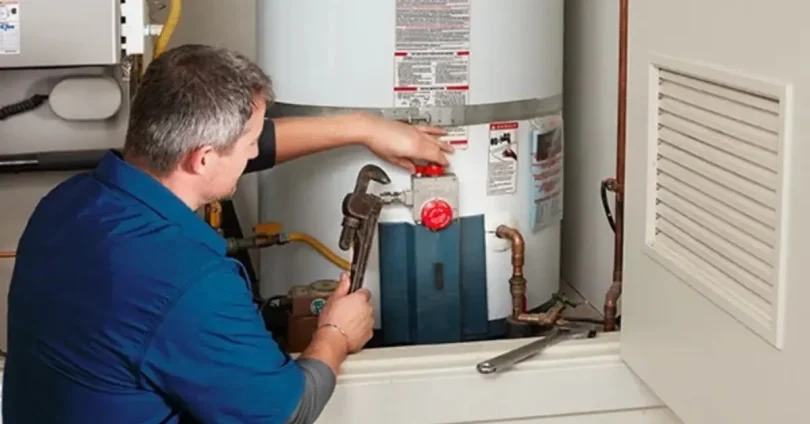

If you want your water heater to work efficiently and last longer, following a few simple water heater maintenance tips can make a big difference. Regular maintenance helps reduce sediment buildup, improve heating performance, prevent leaks, and catch small problems before they turn into expensive repairs. Whether you have a gas or electric water heater, a little attention throughout the year can help keep your hot water system running smoothly.
Why Water Heater Maintenance Is Important
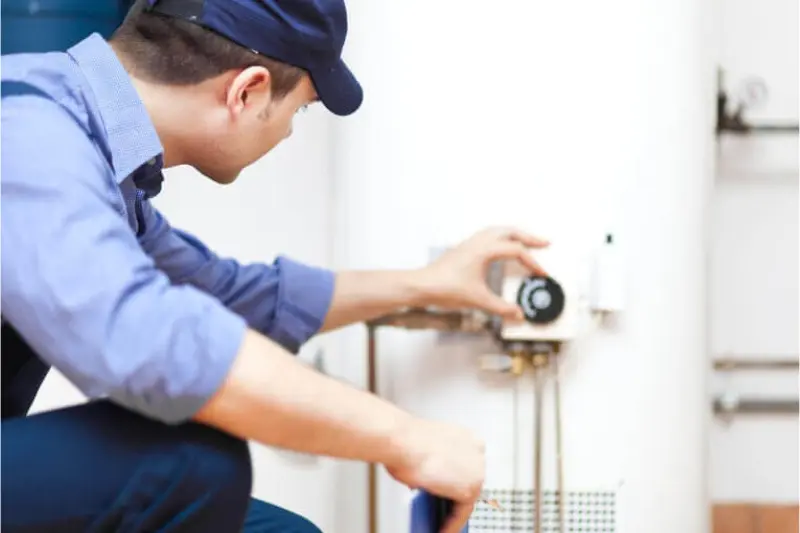
Your water heater works almost every day, so it naturally experiences wear and tear. Over time, minerals and sediment can collect inside the tank, pipes can develop leaks, and important components may become less efficient.
Regular maintenance can help you:
- Extend the life of your water heater
- Improve heating efficiency
- Reduce energy consumption
- Prevent unpleasant water odors
- Reduce sediment buildup
- Find leaks early
- Maintain a reliable supply of hot water
- Avoid unexpected repair costs
You don’t need to be a plumbing expert to handle some basic maintenance. However, certain repairs and gas-related problems should always be handled by a qualified professional.
Check Your Water Heater for Leaks
One of the easiest maintenance tasks is checking around your water heater for signs of water.
Look around the bottom of the tank, connections, pipes, valves, and nearby floor. Even a small puddle can indicate a problem that needs attention.
You should also look for:
- Damp spots
- Rust around connections
- Water dripping from pipes
- Corrosion
- Moisture around the pressure relief valve
- Cracks or damage around the tank
If the tank itself is leaking, the problem may be more serious than a loose connection. A leaking tank often requires professional assessment and may eventually need replacement.
Flush the Water Heater Tank
Flushing the tank is one of the most useful water heater maintenance tips, especially if you have a traditional tank-style heater.
Over time, minerals and sediment can settle at the bottom of the tank. Too much buildup can make the heater work harder and reduce its heating efficiency.
A typical flushing process involves:
- Turning off the heater’s power or gas supply.
- Allowing the water to cool.
- Closing the cold-water supply.
- Connecting a suitable hose to the drain valve.
- Directing the hose to a safe drainage location.
- Opening the drain valve.
- Allowing the tank to drain.
- Flushing the tank with fresh water as appropriate.
- Closing the drain valve and refilling the tank.
- Restoring power or gas according to the manufacturer’s instructions.
Always follow your manufacturer’s instructions because the procedure can vary between models.
Inspect the Pressure Relief Valve

The temperature and pressure relief valve is an important safety component on a tank water heater. It helps release excess pressure when necessary.
Check the area around the valve for signs of corrosion, dripping, or mineral buildup.
If you’re not comfortable testing or replacing the valve yourself, have a plumber inspect it. A faulty pressure relief valve should not be ignored because it plays an important role in water heater safety.
Check the Anode Rod
If your water heater has an anode rod, checking it periodically can help protect the tank from corrosion.
The anode rod is designed to corrode instead of the steel tank. Once it becomes heavily deteriorated, it may no longer provide effective protection.
Ask a qualified plumber to inspect the rod if you are unsure how to access it. Replacing a worn anode rod can potentially help extend the life of the water heater.
Set the Temperature Carefully
A very high water temperature can waste energy and increase the risk of burns. A lower setting may also reduce energy use.
Many households use a setting around 120°F (49°C), but the appropriate temperature can depend on your household, plumbing system, and manufacturer’s recommendations.
If you have young children, older adults, or anyone particularly vulnerable to burns in your home, temperature safety is especially important.
Check the Water Connections
Inspect the hot- and cold-water connections at the top of the heater. Look for loose fittings, corrosion, or moisture.
If you notice a small leak around a connection, don’t simply ignore it. A minor leak can gradually damage surrounding materials and become worse over time.
For threaded or plumbing connections that require repair, it’s better to have a plumber handle the work if you’re unsure of the correct procedure.
Insulate Older Water Pipes
Insulating hot-water pipes can help reduce heat loss between your water heater and faucets.
Pipe insulation is particularly useful for hot-water pipes that run through cold or unheated areas. It can help the water stay warm for longer and may reduce the amount of energy needed to heat the water.
Make sure insulation is installed safely and kept away from components that become hot or from gas-related equipment where manufacturer’s clearance requirements apply.
You may also like to read this:
Common Bathroom Plumbing Problems: Causes & Fixes
How To Fix Low Water Pressure: Easy Home Solutions
How To Flush A Water Heater Safely and Easily
How To Prevent Water Heater Leaks: Easy Maintenance Tips
How To Check Water Pressure at Home: Easy Guide
Keep the Area Around the Heater Clear
Don’t use the area around your water heater as a storage space.
Keep boxes, clothing, paper, cleaning products, and other materials away from the heater. This is especially important for gas water heaters because combustion requires proper airflow and combustible materials should be kept away from heat sources.
Keeping the area clear also makes it easier to spot leaks and access the heater when maintenance is needed.
Listen for Unusual Sounds
Pay attention to changes in how your water heater sounds.
Popping, rumbling, banging, or crackling noises can sometimes indicate sediment buildup inside the tank. These sounds don’t always mean the heater is about to fail, but they are worth investigating.
If unusual noises continue after appropriate maintenance, contact a qualified plumber or technician.
Check for Changes in Hot Water
A sudden change in your hot water supply can be an early warning sign.
For example, you may notice:
- Water isn’t getting as hot as before
- Hot water runs out quickly
- Water takes longer to heat
- Temperature changes while showering
- Hot water has an unusual smell
- Water looks rusty or cloudy
These symptoms can have several causes, including sediment buildup, a faulty heating element, thermostat problems, or other plumbing issues.
Clean Around the Water Heater
Dust and dirt can collect around your water heater, especially in garages, utility rooms, and storage areas.
Keep the surrounding area reasonably clean and dry. However, don’t spray water directly onto electrical components or controls.
For gas heaters, never block ventilation openings or modify the combustion-air system.
Check the Heater Regularly
You don’t need to perform complicated maintenance every week. A simple visual inspection every month can help you identify problems early.
During your inspection, look for:
- Leaks
- Rust
- Corrosion
- Loose connections
- Unusual noises
- Water temperature changes
- Damage around valves and pipes
Catching a small issue early can save you from dealing with a much bigger problem later.
Follow the Manufacturer’s Maintenance Schedule
Every water heater is different. Your owner’s manual may provide specific instructions for flushing, temperature settings, inspection, replacement parts, and maintenance intervals.
If you still have the manual, keep it somewhere accessible. If you don’t have it, look for the model and serial number on the heater and use the manufacturer’s official documentation to find the correct maintenance instructions.
When Should You Call a Professional?
Some water heater problems are not good DIY projects.
Contact a qualified professional if you notice:
- A leaking tank
- Gas smell
- A damaged gas line
- Electrical wiring problems
- Persistent pressure relief valve discharge
- Severe corrosion
- No hot water
- Repeated overheating
- Water leaking from electrical components
- A water heater that keeps shutting off
If you smell gas, avoid operating electrical switches or creating flames nearby, leave the area if necessary, and follow your local gas utility’s emergency guidance.
How Often Should You Maintain a Water Heater?
The ideal maintenance schedule depends on the type of heater, water quality, usage, and manufacturer’s recommendations.
As a simple routine:
- Monthly: Look for leaks, corrosion, and unusual noises.
- Periodically: Inspect connections and safety components.
- Annually: Have important components inspected and perform manufacturer-recommended maintenance.
- As recommended: Flush the tank and inspect the anode rod when appropriate for your system.
Homes with hard water may need more frequent attention because minerals can build up faster.
Final Thoughts
Following these water heater maintenance tips can help you keep your heater efficient, reliable, and safer to use. Simple habits such as checking for leaks, monitoring water temperature, keeping the area clear, and following the manufacturer’s maintenance schedule can prevent many avoidable problems.
You don’t have to wait until your water heater stops working before giving it attention. A few minutes of regular inspection can help you spot warning signs early and decide when professional service is needed.
Frequently Asked Questions
1. How often should a water heater be maintained?
You should visually inspect your water heater regularly and follow the manufacturer’s recommended maintenance schedule. Many tank-style water heaters benefit from periodic flushing and inspection.
2. What are the most important water heater maintenance tips?
Important maintenance tips include checking for leaks, flushing sediment when appropriate, inspecting the pressure relief valve, checking the anode rod, maintaining a safe temperature, and keeping the area around the heater clear.
3. How do I know if my water heater needs maintenance?
Common signs include unusual noises, rusty water, reduced hot water, slow heating, leaks, fluctuating temperatures, and visible corrosion.
4. How often should I flush my water heater?
The recommended frequency depends on your heater, water quality, and manufacturer’s instructions. Homes with hard water may require more frequent flushing because mineral sediment can accumulate faster.
5. Can regular maintenance extend the life of a water heater?
Yes. Regular inspections and manufacturer-recommended maintenance can help reduce sediment and corrosion-related problems and may extend the useful life of the heater.