
Learning how to prevent water heater leaks can save you from water damage, expensive repairs, and the hassle of suddenly losing hot water. The good news is that many water heater leaks can be prevented with regular inspection, simple maintenance, and quick action when you notice small warning signs. Whether you have a traditional tank water heater or another type of system, taking care of it regularly can help it work safely and efficiently for longer.
Why Do Water Heaters Leak?

Before learning how to prevent water heater leaks, it helps to understand why leaks happen. A water heater can leak because of loose connections, corrosion, excessive pressure, a damaged valve, or a problem with the tank itself.
Some leaks are easy to fix, while others can indicate that the water heater needs replacement. Finding the problem early is important because even a small leak can eventually cause serious water damage.
Check Your Water Heater Regularly
One of the easiest ways to prevent leaks is to inspect your water heater regularly.
Take a few minutes every month to look around the unit. Check for:
- Water pooling around the bottom
- Damp spots on pipes or fittings
- Rust or corrosion
- Dripping from valves
- Cracks or visible damage
- Moisture around the tank
- Unusual sounds
You don’t need to be a plumbing expert. If something looks different from normal, it’s worth investigating before it becomes a bigger problem.
Inspect the Water Connections
The pipes connected to your water heater carry water into and out of the unit. Over time, connections can become loose or develop small leaks.
Check the connections at the top of the water heater and look for moisture or dripping. If you notice a loose connection, it may need to be tightened carefully.
Avoid overtightening fittings because this can damage the connection or cause other problems.
Check the Temperature and Pressure Relief Valve
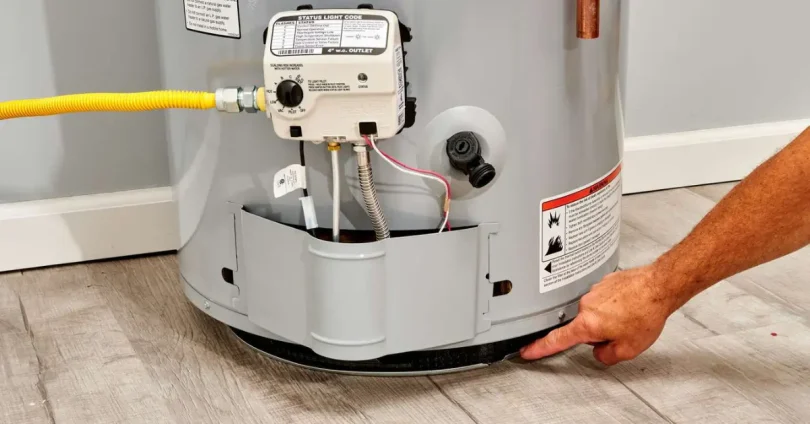
The temperature and pressure relief valve, often called the T&P valve, is an important safety component on a tank water heater. It is designed to release pressure if temperature or pressure becomes dangerously high.
If you notice water constantly dripping from this valve, don’t simply block or cap it. A leaking relief valve should be inspected by a qualified plumber because it may indicate a faulty valve or a pressure problem.
Maintain Proper Water Pressure
Excessive water pressure can put unnecessary stress on your plumbing system and water heater.
If your home’s water pressure is too high, it can contribute to leaking valves, fittings, and connections. A pressure-reducing valve may be needed in some homes.
If you aren’t sure what your home’s water pressure should be, have a plumber check it rather than adjusting equipment without knowing the correct setting.
Flush the Water Heater Regularly
Sediment can collect at the bottom of a traditional tank water heater. Over time, this buildup can reduce efficiency and contribute to corrosion.
Flushing the tank periodically can help remove sediment and keep the water heater operating properly.
If you’re not familiar with the process, it’s safer to have a professional handle it, especially if the unit is old or you aren’t comfortable working around hot water and plumbing connections.
Check the Anode Rod
Traditional tank water heaters often have an anode rod that helps protect the inside of the tank from corrosion.
As the rod wears down, it becomes less effective. If it is completely depleted, the tank itself may become more vulnerable to corrosion.
Having the anode rod inspected during regular water heater maintenance can help extend the life of the tank and reduce the risk of corrosion-related leaks.
Watch for Rust and Corrosion
Rust is one of the warning signs you shouldn’t ignore.
Look around the tank, fittings, pipes, and valves for signs of corrosion. A little surface rust around a fitting may be repairable, but corrosion coming from the tank itself can be a more serious issue.
If the tank is rusting through, repairing the outside may not solve the underlying problem. A plumber can determine whether the unit can be repaired or should be replaced.
You may also like to read this:
How To Fix A Shower Drain: Easy DIY Tips For Clogs
Bathroom Faucet Repair Tips For Easy DIY Fixes
Common Bathroom Plumbing Problems: Causes & Fixes
How To Fix Low Water Pressure: Easy Home Solutions
How To Flush A Water Heater Safely and Easily
Replace Worn-Out Parts
Small components such as valves, connectors, and fittings can wear out over time.
If you notice a part that is cracked, corroded, or leaking, have it replaced instead of waiting for the problem to become worse. Replacing a relatively inexpensive component may help prevent a much larger plumbing problem.
Install a Drain Pan
A drain pan underneath a tank water heater can provide an extra layer of protection.
If the water heater develops a small leak, the pan can collect the water and direct it toward a suitable drain when properly installed.
A drain pan won’t stop the water heater from leaking, but it can help reduce the risk of water spreading across your floor.
Keep the Area Around the Water Heater Clear
Don’t use the space around your water heater as a storage area.
Keeping the area clear makes it easier to spot leaks and allows you or a plumber to access the unit when maintenance is needed. It also helps prevent stored items from being damaged if a leak occurs.
Pay Attention to Strange Noises
Banging, popping, rumbling, or other unusual noises can sometimes indicate sediment buildup or another water heater problem.
Don’t ignore persistent changes in how your water heater sounds. Getting the unit inspected early may help you address a developing issue before it leads to poor performance or a leak.
Know When Your Water Heater Is Getting Old
No water heater lasts forever. As a unit ages, components can wear out and the tank can become more vulnerable to corrosion.
If your water heater is older and you are frequently repairing leaks, valves, or other parts, talk to a professional about whether replacement makes more sense than continued repairs.
Planning a replacement before a major failure can help you avoid an emergency.
Protect Your Water Heater During Maintenance
Water heaters involve hot water, electricity or gas, and pressurized plumbing. If you’re performing maintenance, make sure you understand the safety steps for your specific type of unit.
For gas or electric water heaters, follow the manufacturer’s instructions. If you’re unsure about shutting off gas, electricity, or water, contact a qualified professional instead of taking a risk.
What to Do If You Notice a Leak
Even when you know how to prevent water heater leaks, problems can still happen.
If you notice water leaking:
- Keep people away from hot or leaking water.
- Turn off the water supply to the heater if you can do so safely.
- For an electric heater, turn off its power at the appropriate electrical disconnect or breaker if it is safe to do so.
- For a gas water heater, follow the manufacturer’s instructions and avoid creating an ignition source.
- Clean up standing water to reduce water damage.
- Contact a qualified plumber to identify and repair the source.
If the leak is large, spreading quickly, or you cannot safely shut the system down, get professional help immediately.
Final Thoughts
Knowing how to prevent water heater leaks is mostly about staying ahead of small problems. Regular inspections, proper water pressure, flushing sediment, checking valves, monitoring corrosion, and replacing worn parts can all help protect your water heater.
You don’t have to wait until water is pouring onto the floor before taking action. If you notice a small drip, rust, unusual noise, or moisture around the tank, have it checked early. A little maintenance today can help you avoid a much bigger plumbing problem later.
FAQs About How to Prevent Water Heater Leaks
1. How can I prevent water heater leaks?
Regularly inspect the tank, pipes, fittings, valves, and connections for signs of moisture, rust, or corrosion. Flushing the tank, maintaining proper water pressure, and replacing worn parts can also help prevent leaks.
2. How often should I check my water heater for leaks?
It’s a good idea to visually inspect your water heater at least once a month. Look for puddles, damp areas, rust, dripping valves, or moisture around the connections.
3. What causes most water heater leaks?
Common causes include loose plumbing connections, faulty valves, corrosion, excessive water pressure, worn components, and a damaged or aging tank.
4. Can high water pressure cause a water heater to leak?
Yes. Excessive water pressure can put stress on the tank, valves, and plumbing connections. If you suspect high pressure, have it checked by a qualified plumber.
5. Does flushing a water heater help prevent leaks?
Regular flushing can remove sediment from the bottom of a tank-style water heater. This can help maintain efficiency and reduce conditions that may contribute to corrosion.