
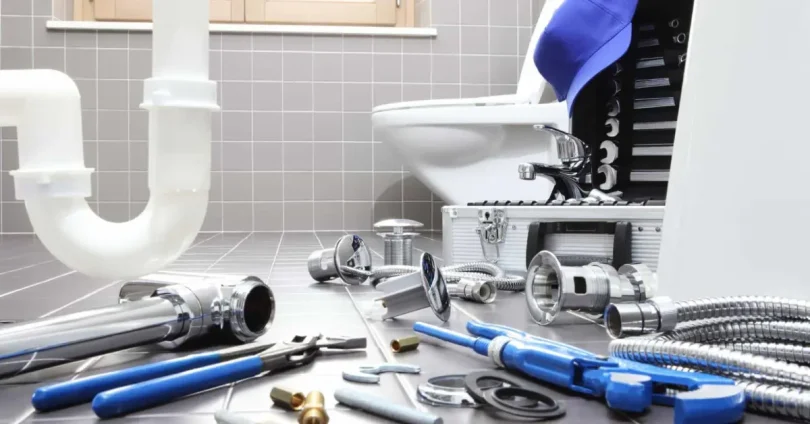

Dealing with common bathroom plumbing problems can be frustrating, especially when a small issue suddenly turns into a bigger mess. A slow drain, dripping faucet, running toilet, or low water pressure may seem like a minor problem at first, but ignoring it can lead to water damage and expensive repairs. The good news is that many bathroom plumbing issues are easy to identify and, in some cases, simple to fix yourself.
In this guide, you’ll learn about the most common bathroom plumbing problems, what causes them, how you can deal with them, and when it’s better to call a professional plumber.
1. Clogged Bathroom Sink
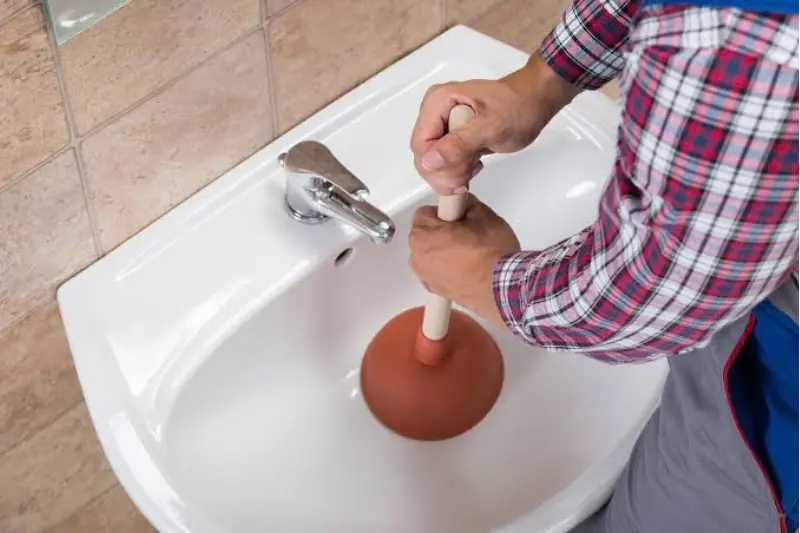
A clogged bathroom sink is one of the most common plumbing problems in a home. Hair, soap residue, toothpaste, dirt, and other buildup can collect inside the drain and restrict water flow.
How to Fix a Clogged Sink
Start by removing any visible debris from around the drain opening. You can then use a sink plunger to loosen the blockage.
If that doesn’t work, try using a drain snake to reach deeper into the pipe. Avoid repeatedly using strong chemical drain cleaners because they can damage some plumbing components and create safety concerns.
2. Slow Bathroom Drain
Sometimes a bathroom drain does not become completely blocked but starts draining very slowly. This is usually an early sign of buildup inside the pipe.
Common Causes of a Slow Drain
- Hair and soap buildup
- Mineral deposits
- Dirt and debris
- A partially blocked drainpipe
- Problems deeper in the plumbing system
Cleaning the drain regularly can help prevent a small blockage from becoming a complete clog.
3. Leaking Bathroom Faucet
A dripping faucet may waste water and become annoying, especially when you hear the constant dripping at night. A worn washer, cartridge, O-ring, or damaged valve can cause a faucet to leak.
How to Deal With a Leaking Faucet
First, turn off the water supply. Remove the faucet handle and inspect the internal parts for signs of wear or damage. Depending on the faucet design, you may need to replace a washer, cartridge, O-ring, or another component.
If the faucet continues leaking after the repair, the valve or another internal part may need professional attention.
4. Running Toilet
A toilet that continues running after you flush is another common bathroom plumbing problem. It can waste a surprising amount of water over time.
Why Is the Toilet Running?
Common causes include:
- A worn flapper
- A faulty fill valve
- An incorrectly adjusted float
- A damaged flush valve
- A loose or broken toilet handle
In many cases, replacing the flapper or adjusting the float can solve the problem. If the toilet keeps running after these basic checks, inspect the fill valve and other components.
5. Leaking Toilet
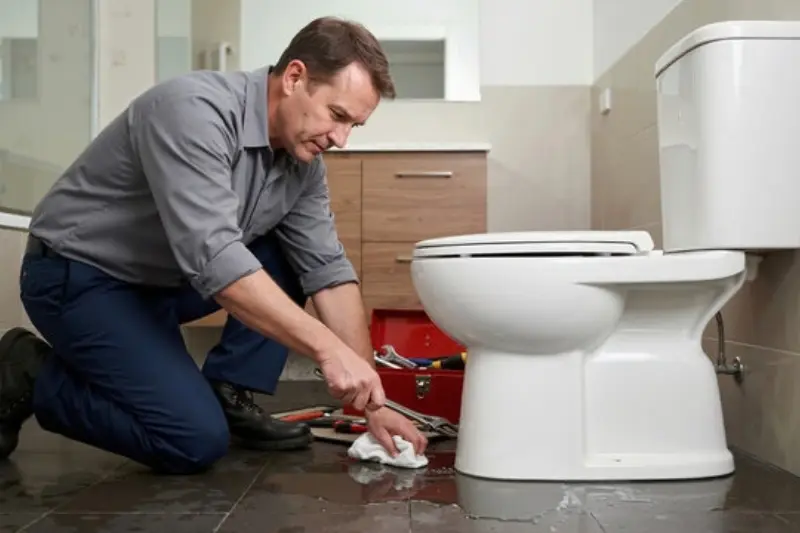
Water around the base of your toilet should not be ignored. A leak may come from a damaged seal, loose connection, cracked component, or problem with the supply line.
What Should You Do?
If you notice water around the toilet, stop using it until you can identify the source. Check the supply connection and the area around the base.
A damaged toilet seal may require removing the toilet to replace it properly. If you are not comfortable doing this work, a plumber can handle the repair.
6. Low Water Pressure
Low water pressure can make showers less enjoyable and make it difficult to wash your hands or use the sink normally.
Possible Causes of Low Water Pressure
Low pressure may be caused by:
- A clogged faucet aerator
- Mineral deposits
- A partially closed shutoff valve
- A damaged pipe
- Plumbing system issues
Start by checking whether the problem affects only one fixture or the entire bathroom. If only one faucet has low pressure, cleaning its aerator may help. If the entire home has low pressure, the problem may require further investigation.
7. Leaking Pipes
A leaking pipe can cause water damage, mold growth, damaged walls, and higher water bills if it is left untreated.
Signs of a Hidden Pipe Leak
Look for:
- Damp spots on walls or ceilings
- Water stains
- Musty smells
- Peeling paint
- Unexplained increases in your water bill
- Sounds of running water when no fixture is being used
If you find an active leak, turn off the water supply if possible and arrange for the pipe to be repaired.
8. Clogged Shower Drain
Hair is one of the biggest causes of shower drain clogs. Soap, shampoo residue, and dirt can also combine with hair to create a stubborn blockage.
How to Prevent Shower Drain Clogs
Remove visible hair from the drain regularly. A drain cover can also catch hair before it enters the plumbing system.
For an existing blockage, try removing the debris manually and then use a drain snake if necessary.
9. Poor Toilet Flushing
If your toilet does not flush properly, the problem may be caused by a partial clog, low water level in the tank, or a faulty flush mechanism.
Check the Toilet Tank
Remove the tank lid and check whether the water level is appropriate. Also inspect the flapper, chain, and flush valve for obvious problems.
If the toilet is partially clogged, a toilet plunger may help clear the blockage.
You may also like to read this:
How To Fix A Running Toilet Quickly and Easily
How To Fix A Leaking Toilet: Easy Step-By-Step Guide
How To Unclog A Bathroom Sink: Easy DIY Guide
How To Fix A Shower Drain: Easy DIY Tips For Clogs
Bathroom Faucet Repair Tips For Easy DIY Fixes
10. Bad Smells From the Bathroom Drain
Unpleasant smells coming from a bathroom drain can make the entire room uncomfortable. Hair, soap residue, bacteria, and organic material can accumulate inside the drain.
Sometimes the problem can also be related to a dry or faulty trap.
How to Reduce Drain Odors
Clean the drain regularly and remove visible buildup. Make sure the drain trap contains water, especially in fixtures that are rarely used.
If the smell continues or is accompanied by drainage problems, there may be a deeper plumbing issue that needs inspection.
11. Water Pooling Around the Shower
Water that collects around your shower instead of draining away is usually a sign of restricted drainage.
A small amount of buildup may be easy to remove, but repeated pooling can indicate a deeper blockage.
Keeping the drain clear and removing hair regularly can reduce the chance of this problem.
12. Loose or Damaged Toilet Handle
A toilet handle can become loose, stuck, or difficult to operate over time. In many cases, the internal chain or flushing mechanism is responsible.
Check the connection inside the tank and make sure the chain is attached correctly. If the handle itself is damaged, replacing it is usually straightforward.
13. Bathroom Water Leaks
Even a small bathroom leak should be taken seriously. Water can slowly damage cabinets, flooring, drywall, and other materials.
Check around:
- Faucets
- Toilet connections
- Sink pipes
- Shower fittings
- Supply lines
- Exposed pipe joints
Fixing leaks early is generally easier than dealing with the damage caused by a long-term leak.
14. Mineral Buildup
Hard water can leave mineral deposits around faucets, showerheads, and inside plumbing fixtures. Over time, these deposits can restrict water flow.
How to Deal With Mineral Deposits
Clean removable fixtures regularly and follow the manufacturer’s cleaning recommendations. If mineral buildup is severe inside the plumbing, professional cleaning or replacement may be necessary.
When Should You Call a Professional Plumber?
Not every bathroom plumbing problem is a good DIY project. You should consider calling a professional if:
- A pipe is leaking heavily
- Water is damaging walls or ceilings
- You cannot locate the source of a leak
- A drain repeatedly becomes clogged
- Several fixtures have drainage problems
- Your toilet continues leaking after basic repairs
- You suspect a damaged or broken pipe
- There is a sewage smell or wastewater backup
- You need to replace major plumbing components
Trying to repair a complicated plumbing problem without the right tools or experience can sometimes make the damage worse.
How to Prevent Common Bathroom Plumbing Problems
Regular maintenance can help you avoid many plumbing problems. Here are some simple habits you can follow:
Keep Hair Out of Drains
Use drain screens or covers to catch hair before it enters your pipes.
Don’t Flush the Wrong Things
Only flush toilet paper and human waste. Items such as wipes, paper towels, cotton products, and other household materials can cause blockages.
Fix Small Leaks Quickly
Don’t ignore a dripping faucet or small pipe leak. A small repair today can prevent a much larger problem later.
Clean Fixtures Regularly
Remove mineral deposits and buildup from faucets, showerheads, and drains before they become difficult to remove.
Check Your Bathroom Regularly
Take a few minutes every month to inspect the toilet, sink, shower, and exposed pipes for leaks or unusual changes.
Final Thoughts
Knowing about common bathroom plumbing problems can help you recognize trouble before it becomes a major repair. Clogged drains, leaking faucets, running toilets, low water pressure, and pipe leaks are all problems that homeowners commonly encounter.
The key is to deal with plumbing issues early. Simple maintenance can prevent many problems, while serious leaks, recurring blockages, and hidden pipe issues are better handled by a qualified plumber. A little attention to your bathroom plumbing can save you water, money, and a lot of unnecessary stress.
Frequently Asked Questions
1. What are the most common bathroom plumbing problems?
Some of the most common bathroom plumbing problems include clogged sinks, slow drains, leaking faucets, running toilets, leaking toilets, low water pressure, clogged shower drains, and leaking pipes.
2. Why does my bathroom sink keep getting clogged?
Bathroom sinks commonly become clogged because of hair, soap residue, toothpaste, dirt, and other debris that collect inside the drainpipe.
3. How can I prevent bathroom drain clogs?
You can help prevent clogs by using drain covers, removing hair regularly, avoiding putting unnecessary materials down the drain, and cleaning your bathroom drains regularly.
4. Why is my toilet constantly running?
A running toilet is often caused by a worn flapper, faulty fill valve, incorrect float adjustment, or a problem with the flush mechanism.
5. What causes a bathroom faucet to leak?
A bathroom faucet may leak because of a worn washer, damaged O-ring, faulty cartridge, loose connection, or worn internal valve components.



[…] Common Bathroom Plumbing Problems: Causes & Fixes […]
[…] You may also like to read this:Common Bathroom Plumbing Problems: Causes & Fixes […]