


If you are wondering how to fix a running toilet, the good news is that you can often solve the problem yourself without calling a plumber. A toilet that keeps running usually has a problem with the flapper, fill valve, float, or chain inside the tank. With a few basic tools and some simple checks, you can usually find the cause and stop the water from constantly flowing.
Why Is My Toilet Running?
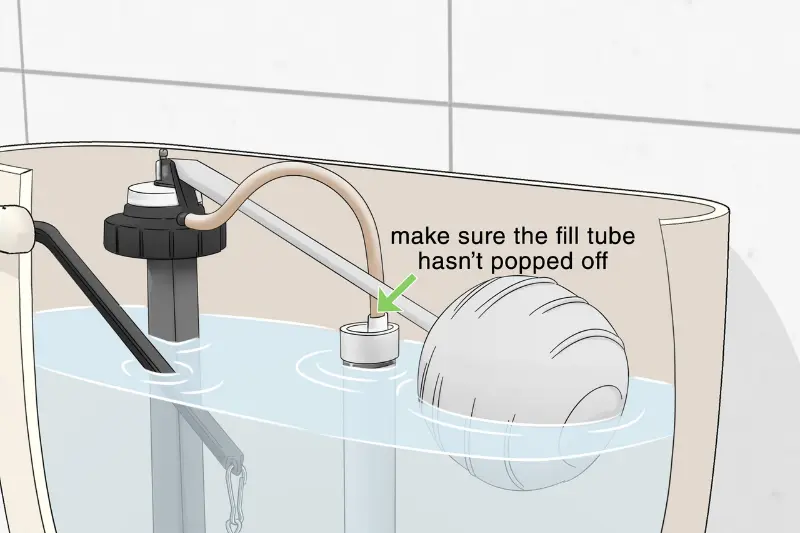
Before you start repairing anything, it helps to understand why the toilet is running. A toilet may continue running because water is leaking from the tank into the bowl or because the fill valve is not shutting off properly.
Common causes include:
- A worn or damaged flapper
- A faulty fill valve
- A float that is set too high
- A loose or tangled toilet chain
- A damaged flush valve
- Mineral buildup inside the tank
- A cracked or poorly fitted component
Finding the exact cause makes the repair much easier.
How to Fix a Running Toilet
1. Remove the Tank Lid
Start by carefully removing the lid from the toilet tank. Place it somewhere safe where it will not fall or crack.
Flush the toilet and watch what happens inside the tank. Pay attention to the flapper, float, chain, and fill valve as the tank refills.
This can help you identify where the problem is coming from.
2. Check the Toilet Flapper
The flapper is the rubber component at the bottom of the tank that lifts when you flush. After the flush, it should close tightly and prevent water from flowing into the bowl.
If the flapper is old, cracked, warped, or covered with mineral deposits, it may not seal properly.
To check it:
- Turn off the water supply.
- Flush the toilet to empty the tank.
- Inspect the flapper for damage.
- Clean away any buildup around the seal.
- Replace the flapper if it looks worn or damaged.
A replacement flapper is usually inexpensive and easy to install.
3. Check the Toilet Chain
The chain connects the flush handle to the flapper. If it is too tight, it may prevent the flapper from closing completely.
If the chain is tangled or has very little slack, adjust it so the flapper can sit flat against the flush valve.
You generally want enough slack for the flapper to close completely without leaving the chain so loose that it gets caught underneath the flapper.
4. Adjust the Float
The float controls how much water enters the tank. If the float is set too high, the water level may rise above the recommended level and flow into the overflow tube.
Look inside the tank while it is filling. The water should normally stop below the top of the overflow tube.
Depending on your toilet, you may have a ball float or a cup-style float.
For an adjustable float, use the adjustment screw, clip, or mechanism provided to lower the water level. Then flush the toilet and check whether the water stops at the correct level.
5. Inspect the Fill Valve
If the toilet continues running even when the water level is correct, the fill valve may be the problem.
The fill valve controls the flow of fresh water into the tank. Over time, it can become worn or clogged with mineral deposits.
Listen carefully after flushing. If you hear water continuing to enter the tank even after the tank appears full, the fill valve may not be shutting off properly.
Cleaning the valve may help in some cases, but replacing a faulty fill valve is often the more reliable solution.
How to Replace a Toilet Flapper
Replacing a flapper is one of the easiest toilet repairs you can do.
First, shut off the toilet’s water supply and flush the toilet to empty the tank. Disconnect the old flapper from the overflow tube and remove the chain.
Attach the new flapper in the same position and reconnect the chain. Make sure the chain has a small amount of slack.
Turn the water back on and allow the tank to fill. Flush the toilet and check that the new flapper closes properly.
How to Replace a Toilet Fill Valve
If the fill valve is faulty, you can replace it with a new one.
Start by turning off the water supply and flushing the toilet. Remove the remaining water from the tank if necessary.
Disconnect the water supply line underneath the tank. Remove the nut holding the old fill valve in place and take the valve out.
Install the new fill valve according to its instructions. Reconnect the water supply line and turn the water back on.
Adjust the water level so the tank fills to the recommended height.
Check for a Silent Toilet Leak
Sometimes a toilet runs intermittently, making it difficult to identify the problem. You can perform a simple test by adding a few drops of food coloring to the tank.
Do not flush the toilet for about 10–15 minutes. Then check the bowl.
If the colored water appears in the bowl without flushing, water is leaking from the tank into the bowl. A faulty flapper or flush valve seal is a common cause.
You may also like to read this:
How To Clean A Clogged Drain Quickly and Safely
How To Prevent Drain Clogs: Easy Tips For Clear Drains
How To Clean Bathroom Drains and Prevent Clogs
How To Remove Drain Buildup: Easy Cleaning Tips
Best Way To Clear Drains: Easy Clog Removal Tips
How to Prevent a Toilet From Running
Once you fix the problem, a little maintenance can help prevent it from happening again.
- Do not force the toilet handle.
- Keep the tank components clean.
- Check the flapper occasionally for wear.
- Make sure the chain is not tangled.
- Keep the water level at the correct height.
- Avoid putting cleaning products in the tank unless they are specifically designed for that purpose.
- Replace worn parts before they completely fail.
When Should You Call a Plumber?
Many running toilet problems are simple repairs. However, you may need professional help if the toilet continues running after replacing the flapper or fill valve.
You should also consider calling a plumber if you notice:
- Water leaking around the toilet base
- A cracked toilet tank or bowl
- A damaged water supply connection
- Persistent leaks that you cannot locate
- Very low water pressure
- Water damage around the toilet
- A toilet that repeatedly develops the same problem
If water is leaking onto the floor, shut off the toilet’s water supply until the problem can be repaired.
Final Thoughts
Learning how to fix a running toilet can save you water, money, and the frustration of listening to a toilet run all day. Start by checking the flapper, chain, float, and fill valve. In many cases, replacing a worn flapper or adjusting the float is enough to solve the problem.
If the issue continues after these basic repairs, the toilet may have a more serious internal or plumbing problem, and a professional plumber can help identify it.
FAQs About How to Fix a Running Toilet
1. Why does my toilet keep running?
A toilet usually keeps running because of a faulty flapper, fill valve, float, or flush chain. Mineral buildup or a poor seal can also allow water to continuously leak from the tank into the bowl.
2. How do I stop a toilet from running?
Start by removing the tank lid and checking the flapper, chain, float, and fill valve. Adjust the float if the water level is too high, and replace the flapper if it is damaged or does not seal properly.
3. Can I fix a running toilet myself?
Yes. Many running toilet problems are simple DIY repairs. Replacing a flapper, adjusting a float, or fixing a loose chain can often be done with basic tools.
4. How do I know if my toilet flapper is bad?
A damaged flapper may look cracked, warped, or worn. You can also add a few drops of food coloring to the toilet tank and wait 10–15 minutes without flushing. If the colored water appears in the bowl, the flapper may not be sealing correctly.
5. Why does my toilet run after I flush?
If the toilet continues running after a flush, the flapper may not be closing completely, the chain may be too tight, or the fill valve may not be shutting off properly.



[…] You may also like to read this:How To Fix A Running Toilet Quickly and Easily […]