
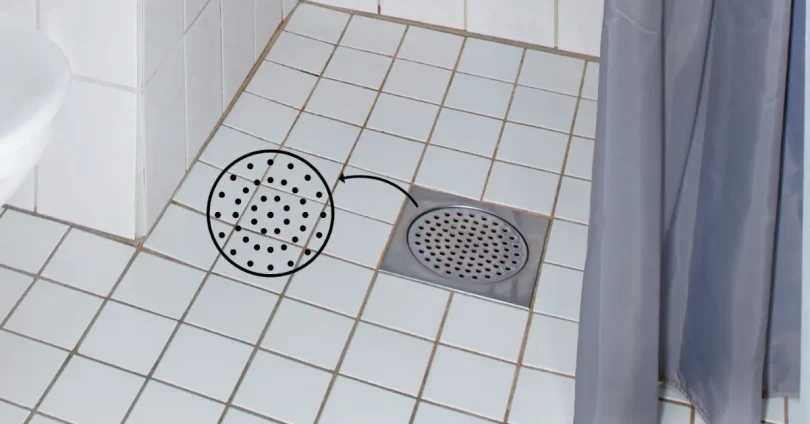

If your bathroom drain is slow, smells unpleasant, or has started collecting water, learning how to clean bathroom drains can help you solve the problem before it turns into a serious clog. Bathroom drains commonly collect hair, soap residue, dirt, and other buildup over time. The good news is that you can often clean a bathroom drain yourself with a few simple tools and regular maintenance.
In this guide, you’ll learn easy ways to clean your bathroom drain, remove hair and buildup, deal with odors, and prevent future clogs.
Why Do Bathroom Drains Get Dirty?
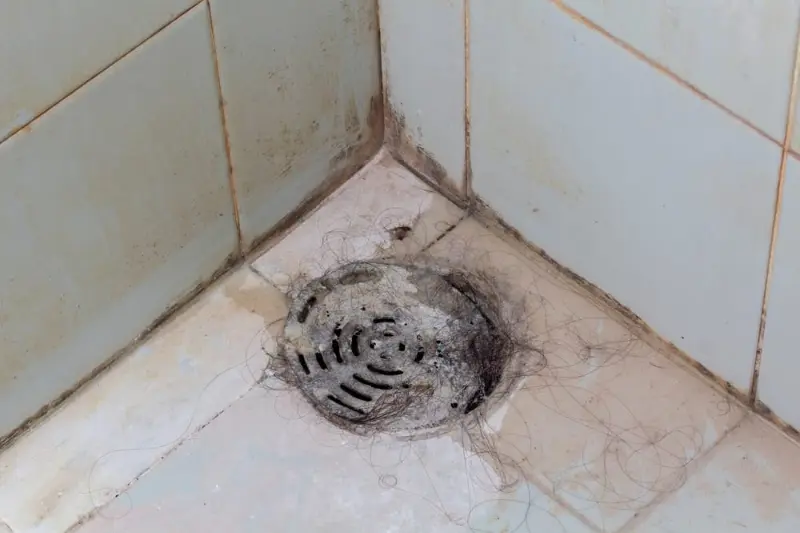
Bathroom drains deal with more than just water. Every time you shower, wash your face, or use the sink, small amounts of debris can go down the drain.
Common causes include:
- Hair and body hair
- Soap scum
- Shampoo and conditioner residue
- Dirt and skin particles
- Toothpaste buildup
- Grease from personal-care products
- Mineral deposits from hard water
Over time, these materials can stick together and form a blockage. You may first notice that water is draining more slowly than usual.
Signs Your Bathroom Drain Needs Cleaning
You don’t always need to wait until your drain is completely blocked. Look for these warning signs:
- Water drains slowly
- Water stands around the drain
- The bathroom smells unpleasant
- You hear gurgling sounds
- Hair and dirt are visible around the drain
- The drain frequently becomes clogged
- Water backs up when you shower
Cleaning the drain as soon as you notice these signs can make the job much easier.
What You Need to Clean a Bathroom Drain
Before you begin, gather a few basic supplies:
- Rubber gloves
- A screwdriver, if your drain has a removable cover
- Old toothbrush or small cleaning brush
- Bucket or bowl
- Paper towels or an old cloth
- Drain snake or plastic drain-cleaning tool
- Baking soda
- White vinegar
- Hot water
You may not need every item. Start with the simplest method and move to a stronger method if necessary.
Step 1: Remove the Drain Cover
Start by removing the drain cover if it can be safely removed.
Some covers simply lift out, while others are held in place with a screw. If there is a screw, use the appropriate screwdriver to loosen it.
Place the cover in a bucket or sink so you can clean it separately.
If you see hair or dirt around the opening, remove as much as possible with your gloved hands or a paper towel.
Step 2: Remove Hair and Debris
Hair is one of the most common reasons bathroom drains become clogged.
Use a plastic drain tool, small hook, or drain snake to pull hair and debris from the drain.
Insert the tool carefully into the opening, twist or hook the material, and slowly pull it out.
You may be surprised by how much hair has collected below the drain opening.
Avoid pushing the debris deeper into the pipe because this can make the blockage worse.
Step 3: Clean the Drain Cover
Don’t forget to clean the drain cover itself.
Hair, soap residue, and dirt can stick to the underside of the cover and restrict water flow.
Use an old toothbrush or small brush to scrub away the buildup. Rinse the cover thoroughly with water before putting it back.
Step 4: Flush the Drain With Hot Water
Once you’ve removed the visible debris, flush the drain with hot water.
Pour the water slowly into the drain rather than dumping a large amount all at once.
Hot water can help loosen some soap and product residue inside the drain.
Be careful when handling hot water to avoid burns, and check that your plumbing system can safely handle the water temperature you are using.
Step 5: Try Baking Soda and Vinegar
For mild buildup and odors, you can try baking soda and white vinegar.
Pour some baking soda into the drain, followed by white vinegar. The mixture will fizz as the ingredients react.
Let it sit for several minutes, then flush the drain with water.
This method can help with light residue and unpleasant smells, but it may not remove a severe physical blockage such as a large mass of hair.
Important: Never mix vinegar or other household products with chemical drain cleaners.
Step 6: Use a Drain Snake for a Stubborn Clog
If the drain is still slow, a drain snake can help reach deeper into the pipe.
Carefully feed the snake into the drain until you feel resistance. Turn the handle or tool to catch the material causing the blockage.
Pull the snake out slowly and clean off the debris. Repeat if necessary.
Afterward, flush the drain with water and check whether it is draining normally.
How to Clean a Smelly Bathroom Drain
A bad smell coming from your bathroom drain can be caused by accumulated hair, soap residue, bacteria, or buildup inside the pipe.
Start by removing visible debris and cleaning the drain cover. Then flush the drain with water.
If the smell continues, clean the surrounding drain area thoroughly and consider whether there could be a deeper plumbing problem.
Persistent odors, especially when accompanied by slow drainage or gurgling, may require professional inspection.
How to Clean a Shower Drain

Shower drains are particularly likely to collect hair.
To clean a shower drain:
- Remove the drain cover.
- Put on rubber gloves.
- Remove visible hair and dirt.
- Use a drain-cleaning tool to reach deeper into the pipe.
- Flush the drain with water.
- Clean the drain cover.
- Replace the cover securely.
Doing this regularly can prevent a small amount of hair from becoming a major blockage.
How to Clean a Bathroom Sink Drain
Bathroom sink drains can collect toothpaste, hair, soap residue, and other buildup.
Remove the stopper if possible and clean away any visible debris. Then use a small drain brush or snake to remove buildup farther down the pipe.
If your sink has a pop-up stopper, pay particular attention to the stopper mechanism because hair and residue often collect around it.
Should You Use Chemical Drain Cleaners?
Chemical drain cleaners can sometimes clear certain clogs, but they should be used carefully.
Some products contain strong chemicals that can damage plumbing components or create dangerous fumes if mixed with other cleaning products.
Before using any chemical drain cleaner, read and follow the product label carefully. Never mix different drain cleaners or mix a drain cleaner with bleach, vinegar, ammonia, or other household chemicals.
For a simple hair clog, physically removing the blockage with a drain tool is often a more direct approach.
What Not to Put Down a Bathroom Drain
One of the easiest ways to keep your drain clean is to prevent unnecessary materials from entering it.
Avoid putting these items down the drain:
- Large amounts of hair
- Cotton swabs
- Tissues
- Paper towels
- Wipes
- Dental floss
- Razors
- Small plastic items
- Excess personal-care products
Even products labeled as flushable or disposable should not automatically be put down a bathroom drain or toilet unless they are specifically intended for that plumbing fixture.
How Often Should You Clean Bathroom Drains?
There isn’t one schedule that works for every bathroom, but regular cleaning is much easier than dealing with a major clog.
Consider doing a basic drain check every few weeks. If your household has long hair or several people regularly using the shower, you may need to remove hair more frequently.
A quick cleaning can take only a few minutes and may help maintain normal water flow.
You may also like to read this:
Pipe Leak Repair Tips: Easy Ways To Fix Leaking Pipes
Common Causes of Water Leaks: 15 Causes & Warning Signs
How To Unclog A Kitchen Sink: Easy Methods That Work
How To Clean A Clogged Drain Quickly and Safely
How To Prevent Drain Clogs: Easy Tips For Clear Drains
How to Prevent Bathroom Drain Clogs
Once you know how to clean bathroom drains, the next step is preventing buildup.
Use a Drain Hair Catcher
A drain strainer or hair catcher can collect hair before it enters the plumbing.
Clean the catcher regularly so water can continue flowing freely.
Remove Hair From the Shower
After showering, collect loose hair from the floor or drain area and put it in the trash instead of washing it down the drain.
Keep the Drain Cover Clean
A dirty drain cover can collect hair and soap residue. Give it a quick cleaning whenever you notice buildup.
Avoid Pouring Unnecessary Products Down the Drain
Try not to rinse large amounts of thick creams, oils, or other products directly into the drain.
Clean Drains Regularly
Don’t wait until the water stops draining. Regular maintenance can help you catch buildup while it is still easy to remove.
When Should You Call a Plumber?
Some drain problems are more serious than a simple hair clog.
Consider getting professional help if:
- The drain remains clogged after cleaning
- Multiple drains are backing up
- Water backs up into another fixture
- You repeatedly get the same clog
- There is sewage-like odor or wastewater
- You hear persistent gurgling
- You suspect a damaged or broken pipe
- Water is leaking around the plumbing
A recurring blockage may indicate a deeper problem in the plumbing system rather than something you can solve by cleaning the drain opening.
Final Thoughts
Knowing how to clean bathroom drains can help you deal with hair, soap residue, odors, and minor buildup before they become bigger problems. Start by removing the drain cover and visible debris, then use a drain-cleaning tool when necessary. Regular maintenance and a simple hair catcher can also make a big difference.
If your bathroom drain continues to clog despite cleaning, don’t keep forcing the blockage deeper into the pipe. A professional plumber can determine whether there is a deeper plumbing issue.
Frequently Asked Questions
1. What is the easiest way to clean a bathroom drain?
The easiest way is to remove the drain cover, take out visible hair and debris, clean the cover, and flush the drain with water. For deeper buildup, use a drain snake or plastic drain-cleaning tool.
2. How often should I clean my bathroom drain?
You should check and clean your bathroom drain every few weeks, especially if it collects hair frequently. Regular cleaning can help prevent stubborn clogs.
3. How do I remove hair from a bathroom drain?
Remove the drain cover and use rubber gloves, a plastic drain tool, or a small drain snake to pull out the hair. Avoid pushing the hair farther into the pipe.
4. Can baking soda and vinegar clean a bathroom drain?
Baking soda and vinegar can help with light residue and unpleasant odors, but they may not remove a serious blockage. For a hair clog, physically removing the debris is usually more effective.
5. Why does my bathroom drain smell bad?
A bathroom drain may smell because of accumulated hair, soap residue, dirt, or buildup inside the pipe. Cleaning the drain and removing trapped debris can often reduce the odor.


[…] How To Clean Bathroom Drains and Prevent Clogs […]
[…] You may also like to read this:How To Clean Bathroom Drains and Prevent Clogs […]