
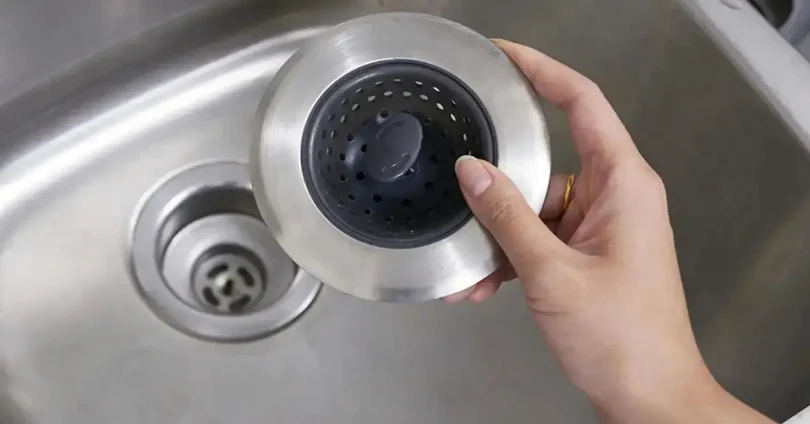

Knowing how to prevent drain clogs can save you from slow drains, unpleasant smells, standing water, and expensive plumbing repairs. The good news is that keeping your drains clear does not have to be difficult. With a few simple habits and regular maintenance, you can reduce the chances of hair, grease, food, soap, and other debris building up inside your pipes.
Whether it is your kitchen sink, bathroom sink, shower, bathtub, or floor drain, a little prevention can go a long way. In this guide, you will learn practical ways to protect your drains and keep water flowing properly.
Why Do Drains Get Clogged?
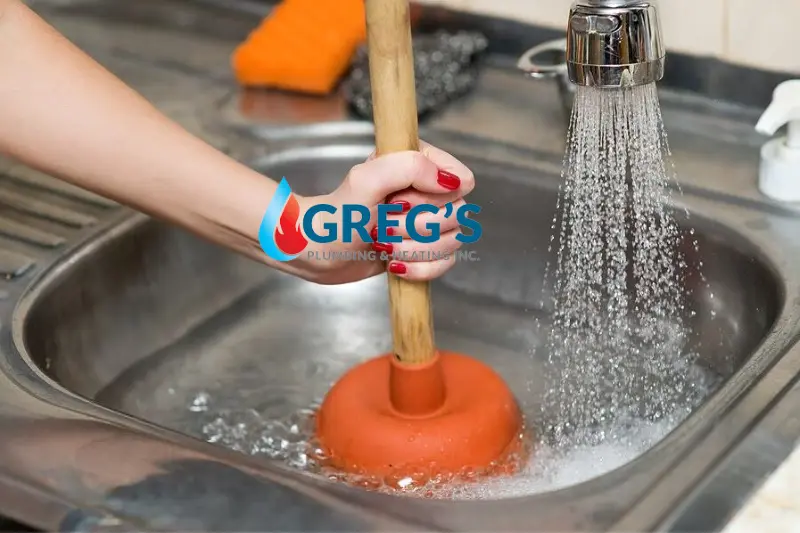
Drains usually become clogged when materials accumulate inside the pipes over time. Some blockages happen suddenly, but many develop slowly because small amounts of debris are washed down the drain every day.
Common causes include:
- Hair
- Grease and cooking oil
- Food scraps
- Soap scum
- Dirt and debris
- Toilet paper buildup
- Mineral deposits
- Small objects
- Tree roots in outdoor drainage pipes
Understanding what causes clogs makes it easier to prevent them.
How to Prevent Drain Clogs
There are several simple things you can do to keep your drains working properly.
1. Use Drain Strainers
One of the easiest ways to prevent a clogged drain is to install a drain strainer.
A strainer can catch hair, food particles, and other debris before they enter your pipes. This is especially useful in kitchen sinks, bathroom sinks, showers, and bathtubs.
Clean the strainer regularly instead of allowing debris to collect on it.
2. Keep Hair Out of Shower Drains
Hair is one of the most common causes of bathroom drain clogs. When hair mixes with soap and other residue, it can create a thick blockage inside the pipe.
Use a hair catcher or drain cover in your shower or bathtub. Remove the collected hair regularly and throw it in the trash instead of washing it down the drain.
3. Never Pour Grease Down the Sink
Avoid pouring cooking grease, oil, or fat directly into your kitchen sink.
These substances may be liquid when hot, but they can cool and stick to the inside walls of your pipes. Over time, other food particles can attach to the grease and create a stubborn clog.
Instead, let grease cool and place it in a container or dispose of it according to your local waste guidelines.
4. Scrape Food Into the Trash
Even if you have a garbage disposal, it is a good idea to scrape food scraps into the trash before washing dishes.
Rice, pasta, coffee grounds, vegetable peels, eggshells, and other food waste can contribute to blockages.
Use a sink strainer to catch small food particles that might otherwise enter the drain.
5. Do Not Flush Items That Can Cause Blockages
Your toilet is connected to a drainage system, but that does not mean everything should be flushed.
Avoid flushing items such as:
- Paper towels
- Baby wipes
- Cleaning wipes
- Cotton balls
- Sanitary products
- Dental floss
- Hair
- Tissues in large quantities
Even products labeled as flushable may cause problems in some plumbing systems. When in doubt, put the item in the trash.
6. Clean Your Drains Regularly
Regular drain maintenance can help prevent buildup before it becomes a serious problem.
You can periodically remove visible debris from drain openings and clean the drain stopper. For kitchen sinks, keep food particles and grease away from the drain as much as possible.
If you notice a drain becoming slower than usual, deal with the problem early rather than waiting for a complete blockage.
7. Be Careful With Coffee Grounds
Coffee grounds should not normally be washed down the sink. They can collect inside pipes and combine with grease or other debris.
Instead, place used coffee grounds in the trash or compost them if appropriate.
This simple habit can help reduce the amount of solid material entering your kitchen plumbing.
8. Keep Soap and Hair From Building Up
Bathroom drains can collect soap residue, hair, and dirt. Over time, this combination can restrict water flow.
Clean your drain stopper regularly and remove visible buildup. A drain cover can also help catch hair before it enters the pipe.
9. Do Not Put Dirt Into Indoor Drains
Avoid washing large amounts of dirt, mud, or garden debris into indoor sinks or drains.
Solid particles can settle inside pipes and contribute to blockages. If you need to clean muddy items, remove as much dirt as possible outdoors before washing them.
10. Flush Drains With Hot Water Carefully
For some drains, running hot water after use can help carry away small amounts of residue.
However, very hot or boiling water is not appropriate for every plumbing system, especially some plastic pipes and fixtures. Follow your plumbing manufacturer’s recommendations and avoid relying on hot water as a substitute for proper drain care.
11. Watch for Slow Drains
A slow drain can be an early warning sign of buildup.
If water starts draining more slowly than normal, investigate the cause. Removing hair or debris near the drain opening early may prevent the problem from becoming a larger blockage.
Do not wait until water stops draining completely before taking action.
12. Clean Sink Stoppers and Plugs
Sink stoppers can collect hair, soap, toothpaste residue, food particles, and other debris.
Remove the stopper periodically and clean it thoroughly. This is a simple maintenance step that can improve water flow and reduce the amount of debris entering the drain.
13. Take Care of Outdoor Drains
Indoor drains are not the only ones that can become clogged. Outdoor drains can collect leaves, dirt, grass, and other debris.
Check outdoor drainage areas regularly, particularly after heavy rain or storms. Remove leaves and debris from drain covers so water can flow freely.
14. Avoid Using Too Much Drain-Cleaning Chemical
Chemical drain cleaners may seem like an easy solution, but frequent use can be harmful to some plumbing systems and may create safety concerns.
Instead of routinely using strong chemicals, focus on preventing debris from entering the drain in the first place.
If you already have a serious blockage, consider using an appropriate mechanical method or contacting a professional plumber.
15. Maintain Your Garbage Disposal
If your kitchen has a garbage disposal, use it properly.
Avoid putting large amounts of fibrous food, grease, bones, or other unsuitable materials into the disposal. Run the disposal according to the manufacturer’s instructions and keep the sink strainer clean.
A garbage disposal should reduce food waste, not replace good drain habits.
You may also like to read this:
How To Fix A Leaking Faucet: Easy DIY Repair Guide
Pipe Leak Repair Tips: Easy Ways To Fix Leaking Pipes
Common Causes of Water Leaks: 15 Causes & Warning Signs
How To Unclog A Kitchen Sink: Easy Methods That Work
How To Clean A Clogged Drain Quickly and Safely
Signs Your Drain May Be Starting to Clog
Knowing the early warning signs can help you address a problem before it becomes a complete blockage.
Look for:
- Water draining slowly
- Gurgling sounds
- Bad smells coming from the drain
- Water backing up
- Standing water around the drain
- Repeated minor blockages
- Water backing up in another nearby fixture
If the same drain keeps becoming clogged, there may be a deeper plumbing problem that requires professional attention.
How Often Should You Clean Your Drains?
There is no single schedule that works for every household. Your cleaning routine should depend on how heavily your drains are used and how quickly debris builds up.
A good habit is to check drain strainers and stoppers every week and clean them whenever you notice buildup.
You should also pay attention to changes in drainage speed. Regular small maintenance tasks are usually easier than dealing with a major blockage later.
What Should Never Go Down a Drain?
Keeping certain materials out of your plumbing is one of the best ways to prevent drain clogs.
Avoid putting these items down your drains:
- Cooking grease and oil
- Coffee grounds
- Food scraps
- Hair
- Paper towels
- Wipes
- Sanitary products
- Cotton products
- Dental floss
- Paint and chemicals
- Large amounts of dirt or sand
When you are unsure whether something belongs in the drain, it is safer to dispose of it another way.
When Should You Call a Plumber?
Some drain problems can be handled with simple cleaning, but professional help may be necessary when the problem keeps returning.
Consider contacting a plumber if:
- Multiple drains are clogged at the same time
- Water backs up repeatedly
- You notice sewage smells
- A drain remains blocked after basic cleaning
- You hear persistent gurgling from your plumbing
- Water backs up into another fixture
- You suspect a damaged or collapsed pipe
Repeated clogs can sometimes indicate a problem deeper in the drainage system rather than a simple blockage near the drain opening.
Final Thoughts
Learning how to prevent drain clogs is mostly about developing a few good habits. Use drain strainers, keep hair and food out of your pipes, never pour grease down the sink, clean drain stoppers regularly, and pay attention to slow drainage.
These simple steps can help keep your plumbing running smoothly and reduce the chance of dealing with a major blockage. If a drain repeatedly becomes clogged or several drains begin having problems at once, it is better to have the plumbing inspected rather than continually treating the symptoms.
Frequently Asked Questions
1. How can I prevent drain clogs?
You can prevent drain clogs by using drain strainers, keeping hair and food out of your pipes, avoiding grease and cooking oil in the sink, and cleaning drain stoppers regularly. These simple habits can help keep your drains clear.
2. What causes most drain clogs?
Common causes of drain clogs include hair, grease, food scraps, soap residue, coffee grounds, dirt, and items that should not be flushed down toilets.
3. Can I pour grease down the kitchen sink?
No. Grease and cooking oil can stick to the inside of pipes and collect food particles, eventually creating a stubborn blockage. Dispose of grease in a container instead.
4. How do I prevent hair from clogging my shower drain?
Install a drain hair catcher or strainer over your shower drain. Clean it regularly and throw the collected hair in the trash instead of washing it down the drain.
5. Should I use boiling water to prevent drain clogs?
Hot water may help move some residue through a drain, but boiling water is not suitable for every plumbing system. Follow your plumbing manufacturer’s recommendations and focus mainly on keeping debris and grease out of the drain.


[…] How To Prevent Drain Clogs: Easy Tips For Clear Drains […]
[…] You may also like to read this:How To Prevent Drain Clogs: Easy Tips For Clear Drains […]