


If your kitchen sink is draining slowly or has stopped draining completely, learning how to unclog a kitchen sink can save you time and money. A clogged sink is usually caused by food scraps, grease, soap buildup, or other debris trapped inside the drainpipe. Fortunately, many kitchen sink clogs can be cleared at home with simple tools and a few easy methods.
In this guide, you’ll learn several safe and practical ways to unclog your kitchen sink, starting with the simplest methods and moving to stronger solutions if the clog does not clear.
Why Does a Kitchen Sink Get Clogged?

Before learning how to unclog a kitchen sink, it helps to understand what causes the problem.
Common causes include:
- Food particles going down the drain
- Grease and cooking oil buildup
- Coffee grounds
- Soap residue
- Small pieces of vegetables
- Starchy foods such as rice and pasta
- A buildup of debris inside the P-trap
- Objects accidentally dropped into the drain
- A blockage farther down the drainpipe
Grease is particularly troublesome because it can stick to the inside of pipes and gradually collect other debris.
How to Unclog a Kitchen Sink
You don’t always need a plumber to deal with a kitchen sink blockage. Try these methods one at a time.
1. Remove Standing Water
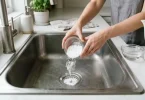
If there is water sitting in the sink, start by removing as much as possible.
Use a cup, bowl, or small container to scoop the water into a bucket. This gives you better access to the drain and makes plunging easier.
If the water contains food debris, remove that debris as well.
2. Clean the Sink Drain
Sometimes the blockage is close to the drain opening.
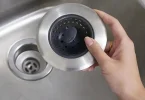
Remove the drain strainer and look for visible food, grease, or other debris. Wear rubber gloves and carefully remove anything you can reach.
Don’t push the debris farther into the pipe.
After cleaning the drain opening, run a small amount of warm water through it to see whether the sink begins draining.
3. Use Boiling or Very Hot Water Carefully
Hot water can help loosen some grease and soap buildup.
Slowly pour hot water down the drain in stages rather than dumping a large amount all at once.
If your plumbing system contains plastic pipes or you are unsure whether very hot water is appropriate, use hot tap water instead of freshly boiling water.
This method works best for minor grease-related blockages. It may not clear a solid or deep clog.
4. Try a Sink Plunger
A plunger is one of the most useful tools for dealing with a clogged kitchen sink.
How to Use a Plunger
- Add enough water to the sink to cover the bottom of the plunger.
- Place the plunger firmly over the drain opening.
- If your sink has two bowls, block the other drain with a stopper or wet cloth.
- Push the plunger down firmly.
- Pull it back up without breaking the seal.
- Repeat the motion several times.
- Remove the plunger and check whether the water drains.
You may need to repeat the process a few times.
For a double kitchen sink, blocking the second drain is important because it helps create pressure inside the blocked pipe.
5. Try Baking Soda and Vinegar
For a mild blockage or unpleasant drain buildup, baking soda and vinegar may help loosen some residue.
Start by removing standing water from the sink.
Pour some baking soda into the drain, followed by vinegar. The mixture will fizz. Allow it to sit for several minutes, then flush the drain with hot water.
Keep in mind that this method is not a guaranteed solution for a serious clog. A plunger or drain snake is generally more useful for a stubborn physical blockage.
Don’t Mix Drain Chemicals
Avoid combining different commercial drain cleaners with each other or with household ingredients.
Chemical reactions can produce dangerous fumes or heat. Always follow the product label if you decide to use a commercial drain cleaner.
6. Clean the P-Trap
If the sink is still clogged, the blockage may be inside the P-trap.
The P-trap is the curved section of pipe underneath your sink.
How to Clean the P-Trap
- Place a bucket underneath the curved pipe.
- Put on gloves.
- Carefully loosen the connections on the trap.
- Allow the water inside the pipe to drain into the bucket.
- Remove any food, grease, or debris.
- Rinse the trap thoroughly.
- Reconnect it securely.
- Run water through the sink and check for leaks.
Make sure the connections are tight enough to prevent leaking, but avoid overtightening plastic fittings.
7. Use a Drain Snake
A drain snake can help when the blockage is deeper inside the pipe.
Insert the snake slowly into the drain. When you feel resistance, turn the handle to work the cable into the blockage.
Continue carefully until the obstruction loosens. Then pull the snake back out and clean it.
Finally, run warm water through the drain to check whether the sink is flowing normally.
8. Check the Garbage Disposal
If your kitchen sink has a garbage disposal, the disposal itself could be contributing to the problem.
Turn off the disposal and its power source before inspecting it.
Never put your hand inside a garbage disposal to search for an object. Use appropriate tools or follow the manufacturer’s instructions for safely removing an obstruction.
If the disposal is making unusual noises, leaking, or failing to operate, it may need professional attention.
You may also like to read this:
How To Stop Water Pipe Leaks: Easy Repair Guide
How to Find Water Leaks: Easy Tips To Detect Hidden Leaks
How To Fix A Leaking Faucet: Easy DIY Repair Guide
Pipe Leak Repair Tips: Easy Ways To Fix Leaking Pipes
Common Causes of Water Leaks: 15 Causes & Warning Signs
What If Both Sides of a Double Sink Are Clogged?
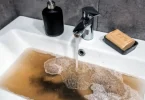
When both bowls of a double kitchen sink are filling with water, the blockage may be farther down the shared drainpipe.
Try plunging one side while firmly blocking the other side.
If that does not work, check the P-trap and consider using a drain snake.
If water continues backing up after these steps, the blockage may be deeper in the plumbing system.
When Should You Call a Plumber?
Some kitchen sink clogs require professional help.
Consider calling a plumber if:
- The sink remains clogged after several attempts.
- Water backs up repeatedly.
- Multiple drains in your home are clogged.
- You hear gurgling from several drains.
- Dirty water comes back into the sink.
- The pipes underneath the sink are leaking.
- You suspect a blockage deep inside the main drain.
- You cannot safely access or remove the blockage.
A recurring clog can indicate a larger plumbing problem rather than a simple blockage near the sink.
How to Prevent Future Kitchen Sink Clogs
Once you’ve learned how to unclog a kitchen sink, prevention can help keep the problem from coming back.
Don’t Pour Grease Down the Drain
Allow cooking grease and oil to cool, then dispose of it properly instead of pouring it into the sink.
Use a Drain Strainer
A drain strainer catches food particles before they enter the plumbing.
Clean the strainer regularly so debris doesn’t build up.
Avoid Putting Food Scraps Down the Sink
Even small amounts of food can accumulate inside pipes over time.
Scrape plates into the trash or compost before washing them.
Be Careful With Coffee Grounds
Coffee grounds can collect inside plumbing and contribute to blockages. Dispose of them separately rather than washing them down the drain.
Run Water While Washing Dishes
Using enough water while washing dishes can help move small particles through the drain.
Frequently Asked Questions
What is the easiest way to unclog a kitchen sink?
Start by removing visible debris and standing water, then try a sink plunger. A plunger is often one of the simplest ways to loosen a basic kitchen sink blockage.
Can hot water unclog a kitchen sink?
Hot water can help loosen some grease and soap buildup. However, it may not clear a solid or deep blockage.
Does baking soda and vinegar unclog a sink?
Baking soda and vinegar may help with mild buildup, but they are not reliable for every type of clog. A plunger or drain snake may be more effective for stubborn blockages.
Why is my kitchen sink still clogged after plunging?
The blockage may be deeper inside the drainpipe, inside the P-trap, or caused by a larger plumbing problem. Cleaning the P-trap or using a drain snake may help.
Final Thoughts
Knowing how to unclog a kitchen sink can help you handle many common blockages without immediately calling a plumber. Start with simple steps such as removing debris, using hot water carefully, and plunging the drain. If the clog remains, cleaning the P-trap or using a drain snake may solve the problem.
If the blockage keeps returning or affects several drains in your home, it’s better to have the plumbing system inspected rather than repeatedly treating the same symptom.

[…] How To Unclog A Kitchen Sink: Easy Methods That Work […]
[…] You may also like to read this:How To Unclog A Kitchen Sink: Easy Methods That Work […]