


If you are wondering how to stop water pipe leaks, the good news is that many small leaks can be controlled with a few basic tools and the right approach. A leaking pipe can waste water, damage walls and floors, and become a bigger plumbing problem if you leave it untreated. In this guide, you will learn how to find the leak, stop the water, make a temporary repair, and know when it is time to call a plumber.
Why Do Water Pipes Leak?
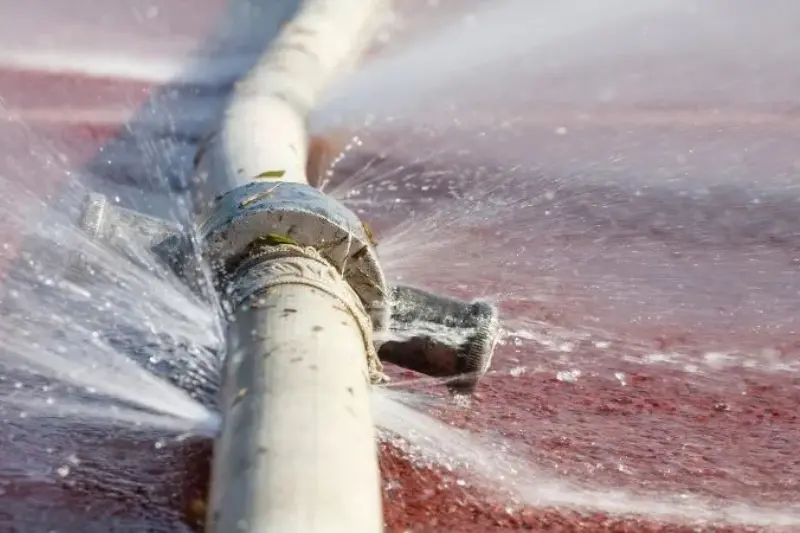
Water pipes can start leaking for several reasons. Understanding the cause can help you choose the right repair.
Common causes include:
- Loose pipe connections
- Damaged or worn-out seals
- Cracked pipes
- Corrosion and rust
- High water pressure
- Frozen or damaged pipes
- Poor-quality fittings
- Physical damage to exposed pipes
A small drip may look harmless, but even a slow leak can cause moisture damage over time.
How to Stop Water Pipe Leaks
Before repairing a leaking pipe, you should first stop the water supply. This makes the repair safer and prevents additional water from entering the damaged section.
1. Turn Off the Water Supply
Find the nearest shut-off valve and turn it clockwise until the water stops. If you cannot find a local valve, turn off the home’s main water supply.
After turning it off, open a nearby faucet to release pressure from the pipe.
2. Find the Exact Source of the Leak
Dry the pipe with a clean cloth and watch where water begins to appear.
Sometimes water travels along the outside of a pipe, making the leak appear to come from a different location. Check the joints, fittings, bends, and visible cracks carefully.
3. Tighten a Loose Connection
If water is leaking from a threaded connection, the fitting may simply be loose.
Use an appropriate wrench to gently tighten the connection. Avoid excessive force because overtightening can damage the fitting or pipe.
If the connection continues to leak after tightening, the seal or fitting may need to be replaced.
4. Replace a Damaged Washer or Seal
Leaks around faucets, valves, and some pipe connections can happen because a washer or seal has worn out.
Turn off the water, remove the fitting if appropriate, and inspect the washer or seal. Replace damaged parts with the correct size.
This is often a simple repair when the rest of the plumbing is in good condition.
5. Use Plumbing Repair Tape for a Small Threaded Leak
For a small leak around a threaded pipe connection, plumber’s thread-seal tape can sometimes help create a better seal.
Remove the fitting, clean and dry the threads, and apply the tape correctly before reconnecting the fitting.
Do not use tape as a solution for a cracked pipe. A damaged pipe generally requires a proper repair or replacement.
6. Use a Pipe Repair Clamp for a Temporary Fix
A pipe repair clamp can be useful when a small hole or crack develops in an accessible pipe.
Place the appropriate rubber gasket over the damaged section and secure the repair clamp according to its instructions.
A repair clamp should generally be treated as a temporary measure unless the product and pipe conditions specifically allow it as a longer-term repair.
7. Replace a Cracked Section of Pipe
If the pipe itself is badly cracked, corroded, or split, tightening the connection will not solve the problem.
The damaged section may need to be cut out and replaced with a suitable piece of pipe and compatible fittings.
If you are not familiar with plumbing materials or connections, getting professional help can prevent a small leak from becoming a larger problem.
How to Stop a Water Pipe Leak Temporarily
Sometimes you need to control a leak before a permanent repair can be made.
For a small accessible leak, you may be able to:
- Turn off the water supply.
- Dry the damaged area completely.
- Use an appropriate pipe repair clamp or repair product.
- Turn the water back on slowly.
- Check the repair for additional leaking.
Remember that temporary repair products are not suitable for every pipe, temperature, pressure, or location. Follow the manufacturer’s instructions carefully.
What to Do If a Pipe Is Leaking Inside a Wall
A pipe leaking inside a wall requires extra care. Signs may include:
- Damp patches on walls or ceilings
- Peeling paint
- A musty smell
- Water stains
- Bubbling or damaged plaster
- Unexpected increases in water usage
- Water sounds when faucets are not being used
If you suspect a hidden pipe is leaking, shut off the water if possible and contact a qualified plumber. Avoid cutting into a wall unless you know where electrical wiring, plumbing, or other services are located.
How to Prevent Water Pipe Leaks

Preventing leaks is usually easier and less expensive than repairing water damage.
Check Exposed Pipes Regularly
Look for rust, moisture, discoloration, cracks, or mineral buildup around visible pipes and fittings.
Avoid Excessive Water Pressure
Very high water pressure can put additional stress on plumbing connections and fixtures. If you regularly notice banging pipes or leaking connections, have the water pressure checked.
Protect Pipes From Extreme Temperatures
In places where freezing temperatures occur, exposed pipes should be properly protected against freezing. Frozen water can expand and damage pipes.
Replace Old Plumbing Components
Old, heavily corroded, or damaged pipes and fittings may continue to develop leaks. Replacing deteriorated components can reduce the chance of repeated problems.
Do Not Ignore Small Drips
A small drip can gradually damage cabinets, walls, flooring, and other materials. Fixing it early is usually much easier than dealing with extensive water damage later.
You may also like to read this:
How To Fix A Leaking Pipe: Easy Step-By-Step Guide
How to Find Water Leaks: Easy Tips To Detect Hidden Leaks
How To Fix A Leaking Faucet: Easy DIY Repair Guide
Pipe Leak Repair Tips: Easy Ways To Fix Leaking Pipes
Common Mistakes to Avoid
When learning how to stop water pipe leaks, avoid these common mistakes:
- Leaving the water supply on during repairs
- Overtightening fittings
- Trying to seal a badly cracked pipe with ordinary tape
- Repairing a wet surface without drying it first
- Ignoring hidden water damage
- Using incompatible plumbing materials
- Treating a temporary patch as a permanent repair
If a repair does not stop the leak, do not keep adding layers of tape or sealant. Find the underlying problem instead.
When Should You Call a Plumber?
You should consider professional help when:
- A pipe has burst
- The leak is inside a wall or ceiling
- A large amount of water is escaping
- The main water line is leaking
- You cannot identify the source
- The pipe is severely corroded
- A previous repair keeps failing
- You need to replace a section of concealed plumbing
A professional can identify the cause of the leak and determine whether the pipe should be repaired or replaced.
Final Thoughts
Knowing how to stop water pipe leaks can help you deal with minor plumbing problems before they cause expensive damage. Start by shutting off the water, locating the exact source, and determining whether the problem is a loose connection, damaged seal, or cracked pipe. Small accessible leaks may sometimes be repaired with the appropriate plumbing materials, while serious or hidden leaks should be handled by a qualified plumber.
The most important thing is not to ignore a leaking pipe. A small drip today can become significant water damage tomorrow.
Frequently Asked Questions
1. How do you stop a water pipe leak quickly?
First, turn off the main water supply and dry the leaking area. For a small accessible leak, you may use an appropriate pipe repair clamp or plumbing repair product as a temporary solution. A damaged or burst pipe usually needs a proper repair or replacement.
2. Can I fix a leaking pipe without replacing it?
Yes, some small leaks can be repaired without replacing the entire pipe. Loose connections, worn seals, and small holes may be repairable. However, badly cracked or corroded pipes may need to be replaced.
3. Can plumbing tape stop a water leak?
Plumbing thread-seal tape can help seal certain leaks around threaded connections. It is not a suitable permanent solution for a cracked or broken section of pipe.
4. What is the best way to stop a leaking pipe temporarily?
Turn off the water, dry the pipe, and use a suitable repair clamp or pipe repair product designed for the type and size of pipe. Always follow the product instructions and arrange a permanent repair when necessary.
5. Why does my pipe keep leaking after I repair it?
A pipe may continue leaking because the connection is damaged, the seal is worn out, the pipe is cracked or corroded, or the water pressure is too high. Repeated leaks may indicate that the damaged component needs to be replaced.

[…] How To Stop Water Pipe Leaks: Easy Repair Guide […]
[…] How To Stop Water Pipe Leaks: Easy Repair Guide […]
[…] How To Stop Water Pipe Leaks: Easy Repair Guide […]
[…] How To Stop Water Pipe Leaks: Easy Repair Guide […]
[…] How To Stop Water Pipe Leaks: Easy Repair Guide […]
[…] You may also like to read this:How To Stop Water Pipe Leaks: Easy Repair Guide […]