
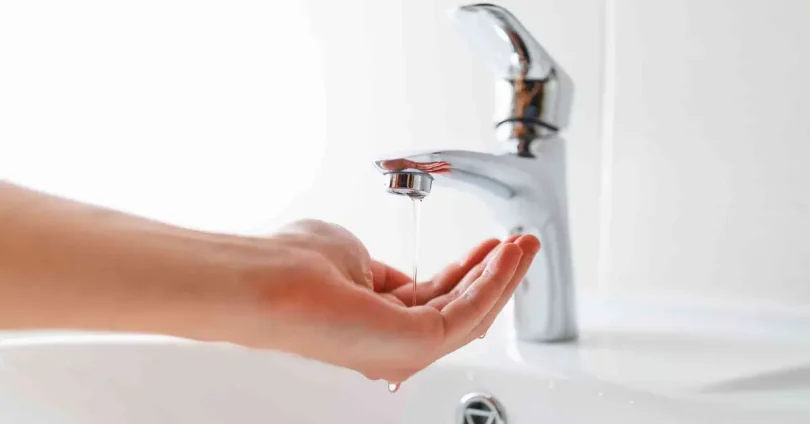

If you are wondering how to fix low water pressure, the good news is that many pressure problems can be solved without major plumbing work. Low water pressure can make showers frustrating, slow down faucets, and cause appliances such as washing machines to take longer to fill. The first step is to figure out whether the problem affects one fixture or the entire house.
In this guide, you’ll learn how to identify the cause of low water pressure and what you can safely do to improve it.
What Causes Low Water Pressure?
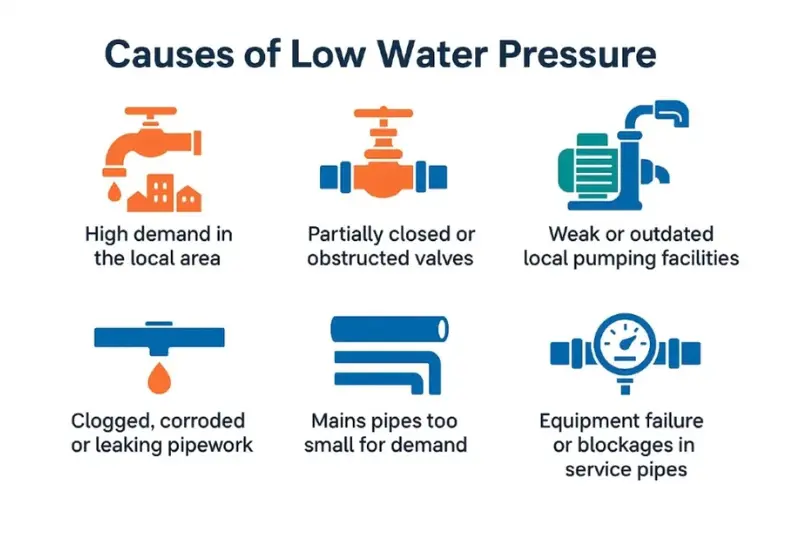
Before trying a repair, it helps to understand what may be causing the problem. Common causes include:
- A clogged faucet aerator or showerhead
- Partially closed water supply valves
- Blocked or corroded pipes
- A faulty pressure regulator
- Leaking plumbing
- Problems with the municipal water supply
- A clogged whole-house water filter
- Issues with a water pump or storage tank
- High demand from several fixtures running at once
If the pressure suddenly becomes weak throughout your home, you should investigate the problem rather than assuming that one faucet is faulty.
Check Whether the Problem Is in One Fixture
Start by turning on several faucets.
If only one faucet has weak pressure, the problem is probably local to that fixture. If every faucet and shower has low pressure, the issue may be somewhere in your main plumbing system.
For a single fixture, check the faucet aerator, showerhead, and nearby supply valve first.
Clean the Faucet Aerator
A clogged aerator is one of the easiest problems to fix.
The small screen at the end of your faucet can collect:
- Dirt
- Mineral deposits
- Rust particles
- Sediment
Unscrew the aerator carefully and rinse it under clean water. If mineral buildup is stuck to the screen, soak the removable parts in white vinegar for a while and then scrub them gently.
Reinstall the aerator and check the water flow again.
Clean or Replace the Showerhead
If your shower has low pressure but other faucets work normally, the showerhead could be blocked.
Remove the showerhead and inspect the small openings. Mineral deposits can restrict the flow over time.
You can clean the showerhead with vinegar or replace it if it is badly blocked or damaged. After cleaning, make sure it is securely attached and check whether the pressure has improved.
Check the Water Supply Valves
A partially closed valve can restrict water flow.
Look for the main water shutoff valve where the water supply enters your home. Also check the smaller shutoff valves under sinks and behind fixtures.
Make sure the appropriate valve is fully open.
Do not force a valve that is stuck, badly corroded, or leaking. Forcing it could cause damage and create a larger plumbing problem.
You may also like to read this:
How To Fix A Leaking Toilet: Easy Step-By-Step Guide
How To Unclog A Bathroom Sink: Easy DIY Guide
How To Fix A Shower Drain: Easy DIY Tips For Clogs
Bathroom Faucet Repair Tips For Easy DIY Fixes
Common Bathroom Plumbing Problems: Causes & Fixes
Check for a Clogged Water Filter
If your home has a whole-house water filter, inspect it.
A filter that has become heavily clogged with sediment can restrict water flow throughout the house. Check the manufacturer’s instructions for how often the filter should be replaced.
If the filter is overdue for replacement, installing a new one may restore normal flow.
Look for Plumbing Leaks
A hidden leak can also cause low water pressure.
Check visible pipes, faucets, toilets, and connections for signs of leaking. Look for:
- Wet spots
- Water stains
- Damp walls or ceilings
- Mold or unusual moisture
- Dripping pipes
- Unexpectedly high water usage
You can also turn off all water-using fixtures and check your water meter. If the meter continues moving when no water should be running, there may be a leak somewhere in the system.
A hidden leak inside a wall, floor, or underground line should generally be inspected by a qualified plumber.
Check the Pressure Regulator
Some homes have a pressure-reducing valve or pressure regulator that controls incoming water pressure.
If the regulator becomes faulty, water pressure may become unusually low throughout the house.
Adjusting or replacing a pressure regulator can involve working with the home’s main water supply, so if you are not familiar with plumbing systems, it is safer to have a plumber inspect it.
Check the Main Water Supply
Sometimes the problem isn’t inside your home.
If your neighbors are experiencing the same issue, there may be a problem with the local water supply. Construction, maintenance, supply interruptions, or changes in municipal pressure can temporarily affect your home’s water flow.
Contact your local water supplier if the problem affects the whole neighborhood.
Check Your Water Pump
If your home uses a water pump, low pressure may be related to the pump system.
Possible problems include:
- A weak or failing pump
- Electrical problems
- A blocked inlet
- Low water level
- Pressure-control problems
- A damaged pump component
Because pumps involve both plumbing and electricity, avoid opening electrical components unless you are properly qualified.
Check for Old or Corroded Pipes
Older plumbing systems can develop internal corrosion or buildup. This can gradually reduce the amount of water that can pass through the pipes.
If your home has old metal pipes and the water pressure has slowly become weaker over the years, pipe restrictions may be contributing to the problem.
Cleaning or replacing sections of restricted pipe may be necessary. A plumber can inspect the system and determine whether the pipes need repair or replacement.
Test the Water Pressure
A water pressure gauge can help you determine whether the problem is actually low pressure.
You can attach an appropriate gauge to an outdoor faucet or another suitable connection. Take a reading when water is not being used and compare it with the pressure while a fixture is running.
The exact pressure your home should have depends on the plumbing system and local conditions, so don’t automatically increase the pressure without knowing what your system can safely handle.
What If Water Pressure Is Low Only at Certain Times?
If the pressure is normal early in the morning but becomes weak when many people are using water, demand may be the issue.
For example, pressure may drop when you are:
- Taking a shower
- Running a washing machine
- Using a dishwasher
- Watering the garden
- Running several faucets at once
Try using fewer fixtures simultaneously. If the pressure consistently drops whenever demand increases, your plumbing system or water supply may need professional evaluation.
When Should You Call a Plumber?
You can handle simple problems such as cleaning an aerator or checking an accessible valve. However, call a professional if:
- The entire house suddenly loses water pressure
- You suspect a hidden leak
- Pipes are leaking or badly corroded
- The pressure regulator appears faulty
- Your water pump is malfunctioning
- You need to replace major plumbing lines
- Water pressure is extremely high or extremely low
- The problem keeps returning after basic repairs
A professional can test the system and identify whether the problem is caused by the incoming supply, valves, pipes, regulator, pump, or another component.
How to Prevent Low Water Pressure
Once you fix the problem, a few simple habits can help prevent it from coming back.
Clean faucet aerators and showerheads regularly, replace water filters according to their maintenance schedule, and repair leaks as soon as you notice them.
It’s also useful to have older plumbing inspected if you notice gradually decreasing water flow throughout the home.
Final Thoughts
Learning how to fix low water pressure starts with finding the source of the problem. If only one faucet or shower is affected, cleaning the aerator or showerhead may solve it. If the entire house has weak pressure, check the main valve, filter, leaks, pressure regulator, pump, and incoming water supply.
Start with the simple checks first. If the problem involves hidden pipes, major leaks, pumps, or pressure-control equipment, getting professional help can prevent a small issue from becoming an expensive plumbing repair.
FAQs About Low Water Pressure
1. What is the most common cause of low water pressure?
Common causes include clogged faucet aerators, partially closed valves, clogged filters, leaking pipes, faulty pressure regulators, and problems with the main water supply.
2. How can I fix low water pressure in my house?
Start by checking the main water valve and fixture valves. Clean faucet aerators and showerheads, check water filters, and look for leaks. If pressure remains low throughout the house, a plumber may need to inspect the pipes, regulator, or pump.
3. Why is my water pressure low all of a sudden?
A sudden drop can be caused by a water main problem, partially closed valve, broken pipe, clogged filter, or plumbing leak. If the whole house is affected, check whether your neighbors are experiencing the same issue.
4. Why is my shower pressure low but the faucets are fine?
A clogged showerhead is often responsible. Mineral deposits and sediment can block the small openings and restrict water flow. Cleaning or replacing the showerhead may improve the pressure.
5. Can a clogged faucet aerator cause low water pressure?
Yes. Dirt, rust, and mineral deposits can build up inside the aerator and reduce water flow. Removing and cleaning the aerator is a simple first step.



[…] How To Fix Low Water Pressure: Easy Home Solutions […]
[…] You may also like to read this:How To Fix Low Water Pressure: Easy Home Solutions […]