

If you are wondering how to fix a leaking toilet, the good news is that many toilet leaks are caused by simple problems that you can check and repair yourself. A leaking toilet can waste water, damage your bathroom floor, and sometimes create bigger plumbing problems if you leave it untreated. The first step is to find exactly where the water is coming from.
Common Causes of a Leaking Toilet
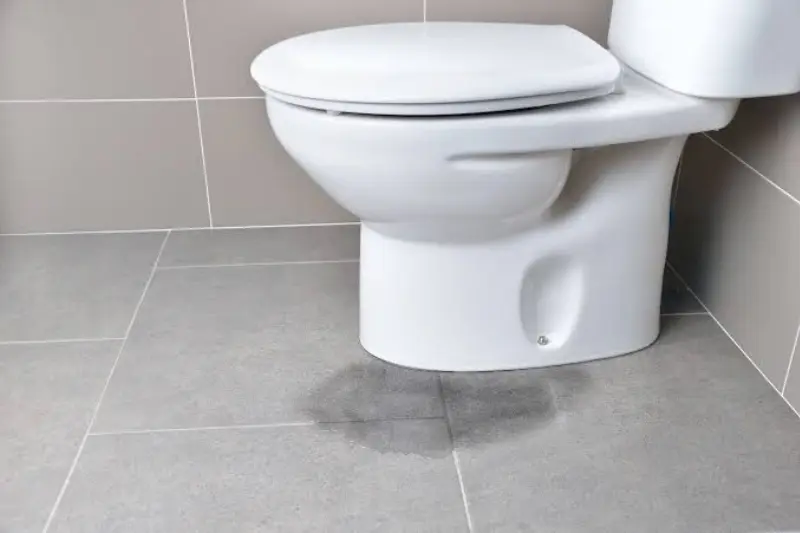
Before you start repairing anything, take a few minutes to identify the source of the leak. Common causes include:
- A worn-out flapper valve
- A faulty fill valve
- A loose toilet tank bolt
- A damaged tank-to-bowl gasket
- A leaking supply line
- A loose or damaged toilet base seal
- Cracked toilet tank or bowl
- Condensation around the toilet tank
Once you know where the water is coming from, the repair becomes much easier.
How to Find the Source of the Leak
Dry the outside of the toilet with a clean towel. Then flush the toilet and watch carefully as the water moves through the tank and bowl.
Check these areas:
- Around the toilet tank
- Under the tank
- Around the flush valve
- The water supply connection
- Around the base of the toilet
- Inside the toilet bowl when the toilet is not being flushed
You can also place a few drops of food coloring into the toilet tank. Do not flush for about 10–15 minutes. If the colored water appears in the bowl, the flapper or another internal component may be allowing water to leak from the tank into the bowl.
Turn Off the Water Supply
Before making most toilet repairs, turn off the water supply.
Look for the shutoff valve on the wall or floor near the toilet. Turn it clockwise until it stops. Then flush the toilet to empty most of the water from the tank.
If you are working on the tank, use a sponge or towel to remove any remaining water.
How to Fix a Leaking Toilet Flapper
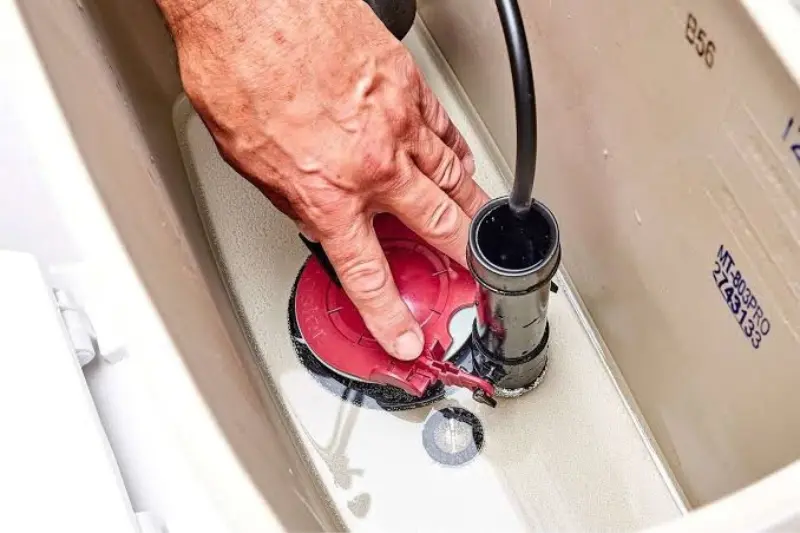
One of the most common causes of a toilet that slowly leaks into the bowl is a worn or damaged flapper.
The flapper is the rubber valve inside the toilet tank that lifts when you flush and then closes to hold water in the tank.
Remove the Old Flapper
Open the toilet tank and locate the rubber flapper at the bottom.
Disconnect the chain from the flush handle and remove the old flapper from its mounting points.
Install the New Flapper
Take the old flapper with you when purchasing a replacement so you can get the correct size and type.
Attach the new flapper and reconnect the chain. The chain should have a little slack but should not be extremely loose.
Turn the water back on and flush the toilet several times to make sure the flapper closes properly.
How to Fix a Faulty Fill Valve
If water keeps running into the tank even after the tank is full, the fill valve may be the problem.
Check the Water Level
Look inside the tank. The water level should normally stop below the top of the overflow tube.
If the water is too high and continuously flows into the overflow tube, adjust the fill valve according to its design.
Replace the Fill Valve
If adjustment does not solve the problem, you may need to replace the fill valve.
First, turn off the water supply and empty the tank. Disconnect the water supply line from the bottom of the tank, remove the old fill valve, and install the replacement according to the manufacturer’s instructions.
Reconnect the water supply and turn the water back on. Check carefully for leaks.
You may also like to read this:
How To Prevent Drain Clogs: Easy Tips For Clear Drains
How To Clean Bathroom Drains and Prevent Clogs
How To Remove Drain Buildup: Easy Cleaning Tips
Best Way To Clear Drains: Easy Clog Removal Tips
How To Fix A Running Toilet Quickly and Easily
How to Fix a Leak Between the Toilet Tank and Bowl
If water is leaking from the connection between the tank and bowl, the tank gasket or bolts may be worn or loose.
Check the Tank Bolts
Look underneath the tank for the mounting bolts. If they are loose, carefully tighten them.
Do not overtighten them because porcelain can crack.
Replace the Tank Gasket
If tightening the bolts does not stop the leak, the rubber gasket between the tank and bowl may need to be replaced.
Turn off the water, empty the tank, remove the tank bolts, and carefully lift the tank away from the bowl. Replace the old gasket and reinstall the tank securely.
How to Fix a Leak Around the Toilet Base
Water appearing around the bottom of the toilet can indicate a problem with the toilet’s seal.
First, make sure the water is not simply running down from the tank or supply line.
If the leak occurs around the base when you flush, the toilet may need to be removed and the seal replaced.
Replace the Toilet Seal
Turn off the water supply and disconnect the supply line. Remove the bolts holding the toilet to the floor and carefully lift the toilet.
Remove the old seal, clean the flange and surrounding area, and install a new toilet seal.
Carefully place the toilet back into position and secure it with new or properly fitted bolts. Reconnect the water supply and test several flushes.
If the toilet rocks, the floor or flange may also need attention.
How to Fix a Leaking Toilet Supply Line
Sometimes the toilet itself is fine and the leak is coming from the water supply connection.
Check both ends of the supply line.
If the connection is slightly loose, carefully tighten it. Avoid excessive force because you can damage the fitting.
If the supply line is cracked, corroded, or damaged, replace it with a suitable new line.
Turn the water back on slowly and check the connection for dripping.
What If the Toilet Tank or Bowl Is Cracked?
A cracked porcelain toilet tank or bowl can cause a significant leak.
Small cracks can sometimes be difficult to repair reliably, especially if the toilet is under pressure from normal use. If you find a significant crack, replacing the damaged toilet component or the entire toilet is usually the safer approach.
Do not continue using a toilet that is visibly cracked if there is a risk of the porcelain breaking.
How to Prevent Toilet Leaks
Once you have fixed the problem, a few simple habits can help prevent future leaks.
- Check the toilet for leaks regularly.
- Do not overtighten tank bolts.
- Replace worn flappers when necessary.
- Check the supply line for corrosion or damage.
- Avoid using excessive force when operating the flush handle.
- Keep the toilet tank components clean.
- Pay attention to a toilet that runs continuously.
- Check around the toilet base for unexplained moisture.
When Should You Call a Plumber?
Some toilet repairs are simple DIY jobs, but certain problems are better handled by a professional.
Consider calling a plumber if:
- The toilet base continues to leak after replacing the seal.
- The toilet flange is damaged.
- The floor around the toilet is damaged.
- The porcelain is cracked.
- You cannot identify the source of the leak.
- Water is leaking from inside a wall or underneath the floor.
- A repair requires major plumbing work.
A small leak can become a much more expensive problem if water gets into flooring, walls, or other parts of the bathroom.
Final Thoughts
Learning how to fix a leaking toilet starts with finding the source of the water. A worn flapper, faulty fill valve, loose connection, damaged gasket, or failed toilet seal can all cause leaks. Many minor problems can be repaired with basic tools and replacement parts, but serious leaks, cracks, or damaged plumbing may require professional help.
The important thing is not to ignore a leaking toilet. Finding and fixing the problem early can help prevent water waste and more expensive damage later.
FAQs About How to Fix a Leaking Toilet
1. What is the most common cause of a leaking toilet?
A worn or damaged flapper is one of the most common causes. Other causes include a faulty fill valve, loose connections, damaged tank bolts, or a worn toilet seal.
2. How do I know if my toilet is leaking into the bowl?
Add a few drops of food coloring to the toilet tank without flushing. Wait about 10–15 minutes. If colored water appears in the bowl, water is leaking from the tank into the bowl.
3. Why does my toilet keep running after I flush?
A toilet may keep running because the flapper is not sealing correctly, the chain is incorrectly adjusted, the fill valve is faulty, or the water level is set too high.
4. How do I stop a toilet from leaking at the base?
First, make sure the water is not coming from the tank or supply line. If water appears around the base when you flush, the toilet seal may need to be replaced.
5. Can I fix a leaking toilet myself?
Yes. Many common toilet leaks can be fixed with basic tools and replacement parts. Flappers, fill valves, supply lines, and some tank components are generally straightforward to replace.


[…] How To Fix A Leaking Toilet: Easy Step-By-Step Guide […]
[…] You may also like to read this:How To Fix A Leaking Toilet: Easy Step-By-Step Guide […]